ADVERTISEMENT
Accountability Still Matters
Any discussion of rehabilitation must also acknowledge the people harmed by a crime.
A long sentence can therefore represent more than punishment. It can be a legal acknowledgment that what happened was extraordinarily serious.
Supporters of severe sentences argue that public safety and accountability have to remain central considerations.
But Can a Person Change?
This is perhaps the hardest question raised by lengthy juvenile sentences.
Imagine a person entering prison at 16 or 17.
Over the following decades, a person can experience education, relationships, responsibility, counseling, loss and countless other experiences that can fundamentally change their outlook.
Some offenders remain dangerous despite years of imprisonment.
An 86-Year Sentence Doesn’t Tell the Whole Story
Another important point is that a headline number can be misleading without context.
A sentence may involve multiple convictions, consecutive terms or mandatory penalties. The actual amount of time a person must serve can depend on the laws of the jurisdiction.
Questions about parole eligibility, appeals, sentence modifications and juvenile-sentencing rules can dramatically affect what the number actually means.
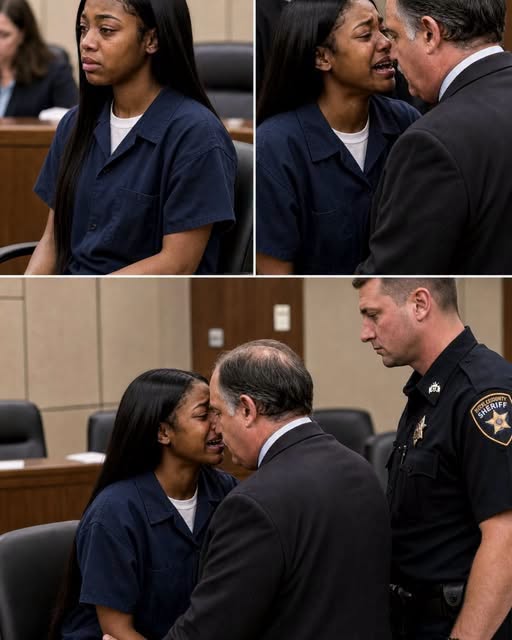
That is why readers should be cautious when a social-media post provides only a photograph and a huge sentencing figure.
America Has Seen Similar Sentencing Controversies
In one well-known case, Oregon teenager Kip Kinkel received a 111-year prison sentence in 1999 after being convicted of murders and attempted murders committed when he was 15. TIME reported that a judge added decades to the sentence after hearing evidence and arguments concerning his potential danger and rehabilitation.
In New Jersey, for example, a judge ruled in 2015 that a man sentenced at 17 to 75 years had effectively received a life sentence because he would not become eligible for parole until age 86. The ruling resulted in a new sentencing hearing.
These cases demonstrate why the debate surrounding juvenile punishment is so complicated.
The Victims Must Not Become an Afterthought
Discussions about youthful offenders sometimes focus so heavily on rehabilitation that victims disappear from the conversation.
That can be deeply painful for families.
Justice must recognize the people who were harmed. Their voices, safety and dignity matter.
A balanced approach therefore cannot simply ask, “Can this young offender change?”
It must also ask:
What does justice require for the victims and the community?
Rehabilitation Doesn’t Mean No Consequences
Rehabilitation is sometimes misunderstood as being synonymous with leniency.
It isn’t.
A rehabilitative justice system can still impose serious consequences.
It can require education, counseling, behavioral programs, accountability and years of incarceration while recognizing that a young person’s future development matters.
The debate is therefore not necessarily between “punishment” and “no punishment.”
It is about determining what punishment should accomplish.
Why Headlines Need More Context
The current viral headline is a good example of why readers should be careful.
“Teenager sentenced to 86 years” is emotionally powerful, but it doesn’t tell readers:
- Who the teenager is
- Where the case occurred
- What charges were involved
- How old the defendant was when the offense occurred
- Whether the defendant was tried as an adult
- How the 86-year figure was calculated
- Whether parole or later review is possible
Without those details, readers cannot fairly evaluate the case.
And because the online posts currently circulating do not independently establish those facts, it would be irresponsible to fill the gaps with speculation.
The Bigger Question
Ultimately, an 86-year sentence forces society to confront an uncomfortable reality.
Justice has several goals.
It must hold people accountable.
It must protect the public.
It must recognize victims.
But it must also determine whether punishment should leave room for human development and rehabilitation—particularly when the person was still a teenager.
There may be cases in which an extraordinarily long sentence is justified.
There may also be cases in which a sentence deserves reconsideration because the law did not adequately account for youth.
The difficult part is determining which is which.
ADVERTISEMENT
