ADVERTISEMENT
The Developing Brain and Emotions
During childhood, the brain is still developing.
Children rely heavily on caregivers and trusted adults to provide safety, guidance, and emotional reassurance.
When emotional needs are consistently unmet, children may develop beliefs about themselves and the world that persist into adulthood.
Common Long-Term Effects
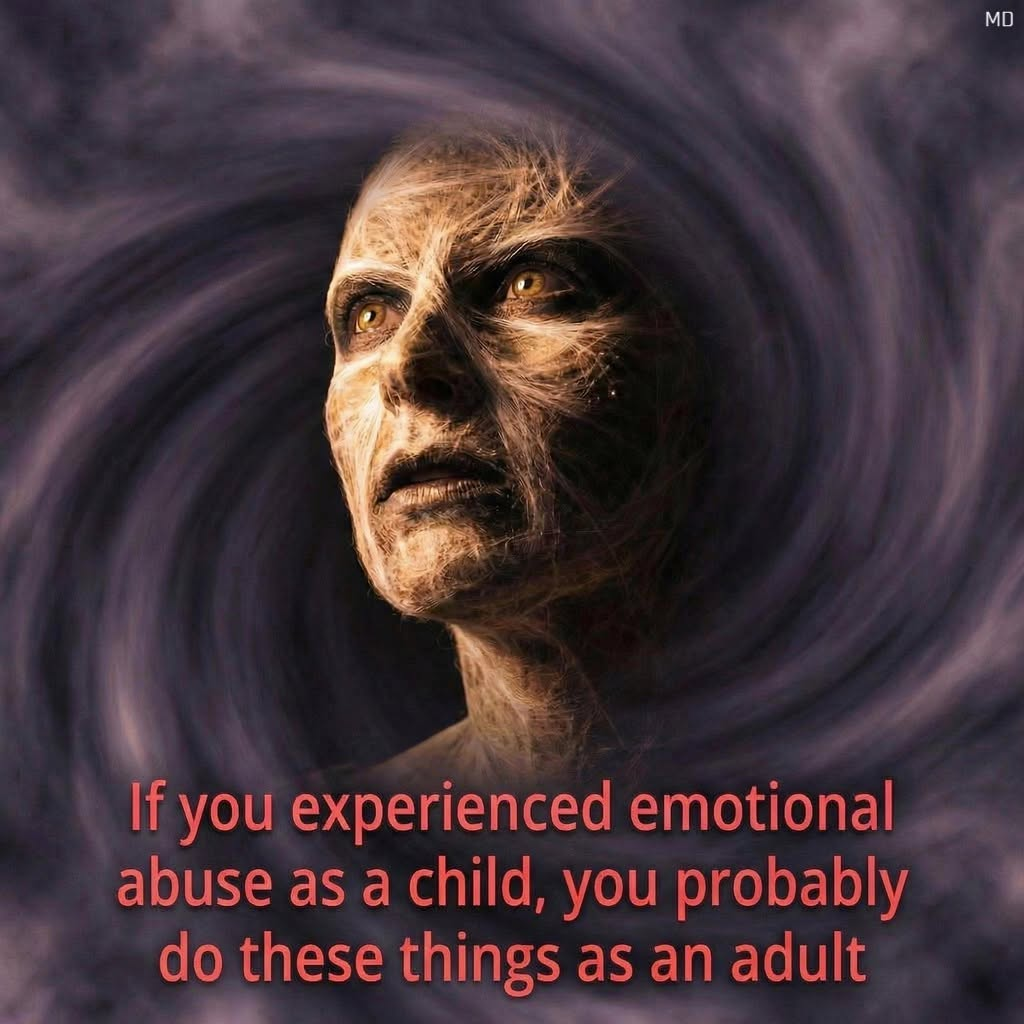
While each person’s experience is unique, some common effects associated with childhood emotional hurt include:
Low Self-Esteem
Children who frequently receive criticism or feel rejected may struggle with self-confidence later in life.
Difficulty Trusting Others
Experiences involving betrayal, neglect, or inconsistency can make it difficult to trust people in adulthood.
Fear of Rejection
People who experienced emotional hurt as children sometimes become especially sensitive to criticism or rejection.
Anxiety and Stress
Early emotional challenges can contribute to heightened stress responses.
Some individuals find themselves worrying excessively or feeling overwhelmed by situations that others manage more easily.
Challenges in Relationships
People may struggle with communication, setting boundaries, or feeling secure in close relationships.
The Importance of Resilience
It is important to remember that childhood difficulties do not determine a person’s future.
Protective factors such as supportive relationships, positive role models, education, and access to mental health resources can significantly improve outcomes.
Recognizing Patterns
One of the first steps toward healing is recognizing how past experiences may influence present behaviors.
Questions people sometimes explore include:
- Why do I react strongly to certain situations?
- Why do I struggle with self-confidence?
- Why do certain relationship patterns repeat themselves?
Understanding these connections can provide valuable insight and open the door to positive change.
The Role of Support
Seeking support is not a sign of weakness.
Friends, family members, mentors, support groups, and mental health professionals can all play important roles in helping individuals process difficult experiences.
Therapeutic approaches may help people develop healthier coping strategies, improve self-awareness, and build stronger relationships.
Healing Is Possible
Healing from emotional hurt does not mean forgetting the past.
Instead, it often involves learning how to understand, process, and move forward from difficult experiences.
Many people find that personal growth emerges through self-reflection, supportive relationships, and intentional efforts to improve emotional well-being.
Over time, painful experiences can become sources of wisdom, empathy, and strength.
ADVERTISEMENT
