ADVERTISEMENT
First Step: Identify What You’re Seeing
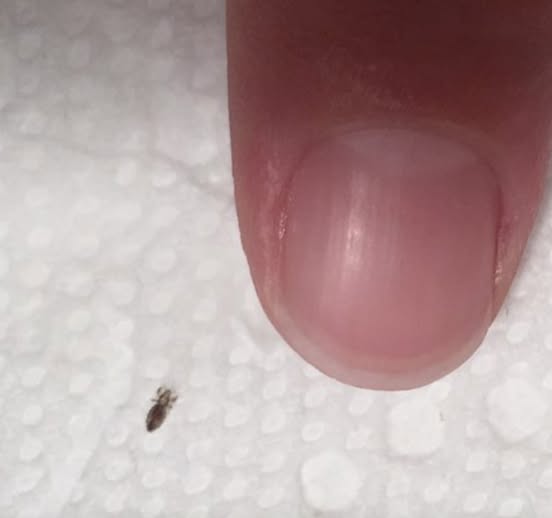
The most important thing is to carefully examine the insect if possible. Common possibilities include harmless stray insects like ants or gnats that may have landed temporarily. However, if you notice tiny, fast-moving insects close to the scalp or small oval-shaped eggs attached to hair strands, it could be a sign of Pediculosis capitis, commonly known as head lice.
Second Step: Check for Common Symptoms
If you suspect something more than a random bug, look for additional signs such as:
- Persistent itching of the scalp, especially behind the ears or at the nape of the neck
- A tickling sensation in the hair
- Small red bumps or irritation on the scalp
- Tiny white or yellowish eggs (nits) attached firmly to hair strands
The presence of multiple symptoms increases the likelihood that it may be head lice rather than a stray insect.
ADVERTISEMENT
