ADVERTISEMENT
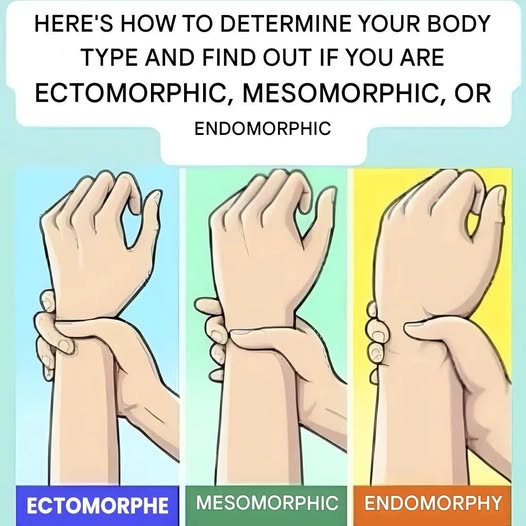
3. Endomorph: The “Naturally Curvy or Stockier” Body Type
Common traits include:
- Slower metabolism
- Easier fat storage
- Wider hips and shorter limbs (often)
- Strong lower body strength
- Difficulty losing weight
Fitness approach for endomorphs:
Endomorphs often benefit from a combination of fat loss and muscle-building strategies.
- Regular strength training
- Moderate to high activity levels
- Balanced calorie control (not extreme restriction)
- Cardio for heart health and calorie burn
- High-protein, whole-food-based diet
The focus is usually on improving body composition rather than just weight loss.
Is Your Body Type Fixed?
Not completely.
Lifestyle factors like:
- Diet
- Exercise habits
- Sleep
- Stress
- Age
Why Body Types Became Popular
The ectomorph–mesomorph–endomorph model was introduced in the 1940s by psychologist William Sheldon as a way to categorize physical traits. While modern science considers it oversimplified, it remains widely used in fitness culture because it helps people think about personalized training approaches.
The Most Important Truth About Body Types
Training, nutrition, and recovery habits have a far greater impact than any label.
Body types can help guide expectations, but they don’t limit your potential.
ADVERTISEMENT
