
ADVERTISEMENT
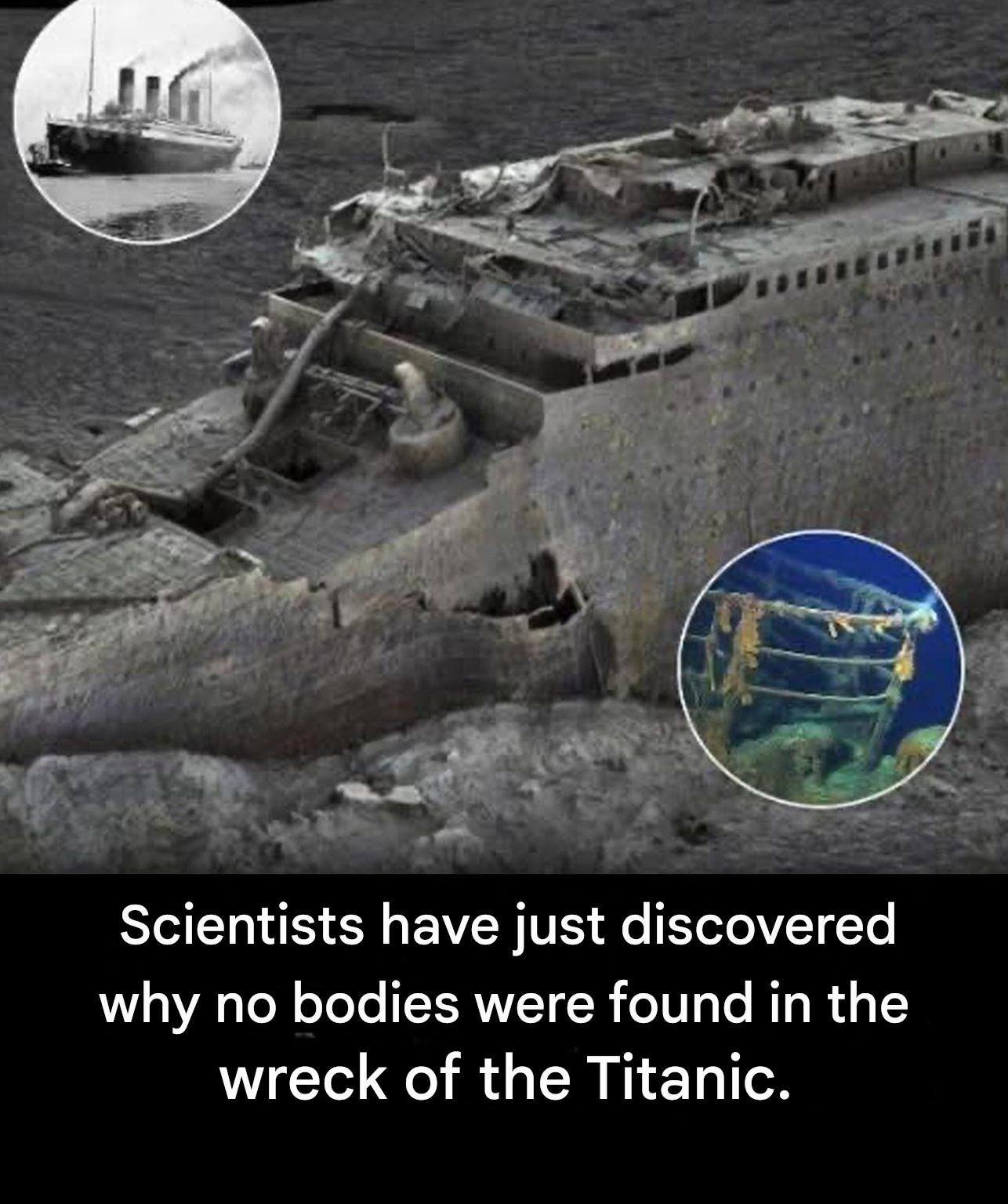
The sinking of the Titanic in April 1912 is one of the most infamous maritime disasters in history. Over 1,500 people lost their lives that night, yet when explorers discovered the wreck more than 70 years later, no human remains were found. This has puzzled many, but there are scientific and environmental reasons that explain why.
1. The Power of the Ocean
The Titanic rests at a depth of roughly 12,500 feet (3,800 meters) in the North Atlantic. At this extreme depth, the pressure is over 5,500 pounds per square inch, and the water temperature is just above freezing. Such harsh conditions accelerate the decomposition of any organic matter.
2. Scavengers and Microorganisms
ADVERTISEMENT
