
ADVERTISEMENT
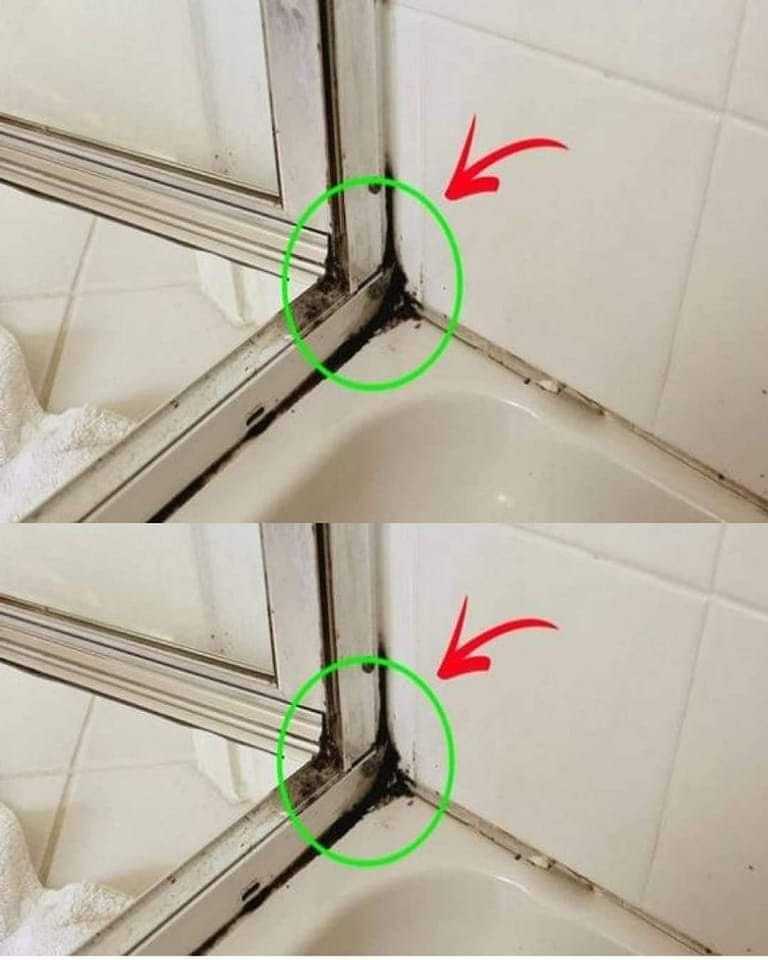
Shower silicone mildew is a common issue that affects bathrooms of all sizes. The unsightly black stains and buildup, as shown in the image, occur in the corners and edges where moisture accumulates. While mildew may seem stubborn, with the right approach, it can be eliminated efficiently.
What Causes Shower Silicone Mildew?
Mildew on shower silicone is primarily caused by the following factors:
Excess Moisture: The shower is a high-humidity environment, and silicone seals are constantly exposed to water.
Lack of Ventilation: Without proper airflow, dampness persists, creating the perfect environment for mildew growth.
Soap Residue: Soap scum builds up on silicone seals, providing nutrients for mildew to thrive.
Porous Silicone: Over time, silicone can become porous, allowing mildew to penetrate its surface.
Understanding these causes will help you combat mildew effectively and prevent it in the future.
White vinegar
Baking soda
Bleach
Hydrogen peroxide
Cotton balls or cotton strips
A small scrubbing brush or toothbrush
Protective gloves
A utility knife (for silicone replacement, if necessary)
Mold-resistant silicone caulk (if replacing silicone)
A spray bottle
Paper towels or a microfiber cloth
Step-by-Step Guide to Removing Mildew
1. Assess the Situation
Inspect the mildew-affected areas closely. Determine whether the mildew is only on the surface or if it has penetrated deep into the silicone. Surface-level mildew can be removed with cleaning solutions, while deeply ingrained mildew may require replacing the silicone.
2. Start with Natural Solutions
Natural solutions are effective for mild to moderate mildew stains and are safe to use regularly.
3. Tackle Stubborn Mildew with Bleach
For more persistent mildew, bleach is highly effective.
4. Use Hydrogen Peroxide as an Alternative
If you prefer a non-bleach method, hydrogen peroxide is a powerful disinfectant.
Steps for Silicone Replacement:
Remove Old Silicone:
Use a utility knife to carefully cut away the old silicone seal.
Scrape off any residue and clean the area thoroughly.
Clean and Prepare:
Ensure the surface is completely dry before applying new silicone.
Apply New Silicone:
Use a mold-resistant silicone sealant.
Apply the sealant evenly and smooth it with a damp finger or silicone tool.
Allow it to cure for at least 24 hours before using the shower.
Preventing Mildew from Returning
Prevention is the key to maintaining a mildew-free shower. Follow these steps to keep your bathroom clean and fresh:
Read more on next page
ADVERTISEMENT
