
ADVERTISEMENT
4. Insufficient Docking
Docking (poking small holes in the dough before baking) helps release trapped gas. If you skip this step, bubbles are more likely to form—especially in thinner, flat-style pizzas.
Are Pizza Bubbles a Bad Thing?
Not at all. In fact, in many styles of pizza, bubbles are a sign of well-made dough. Artisan and Neapolitan-style pizzas often celebrate these airy pockets because they contribute to a light, chewy texture with crisp edges.
How to Control Them
If you like a smoother, more uniform pizza, here are a few simple tricks:
- Dock the dough with a fork before adding toppings
- Press out air pockets when shaping the dough
- Avoid over-fermentation if you want less puffing
- Use even pressure when stretching the dough
On the other hand, if you love those rustic bubbles, lean into them:
- Let your dough ferment longer
- Use high heat
- Handle the dough gently to preserve air pockets
The Takeaway
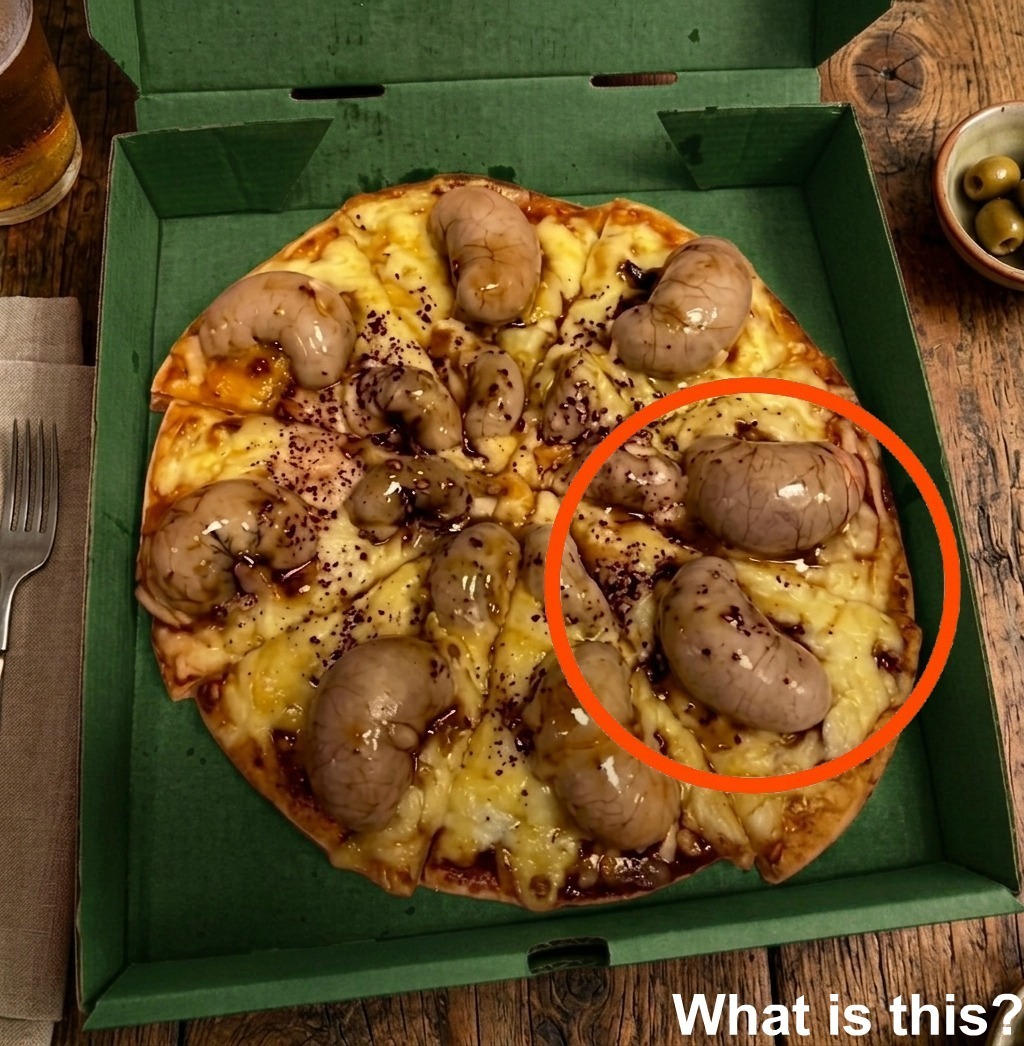
That strange-looking pizza wasn’t a mistake—it was chemistry in action. Those bubbles are a natural result of fermentation, heat, and dough structure working together. Whether you choose to tame them or embrace them depends on the kind of pizza you want to create.
So the next time your pizza comes out of the oven with those unexpected puffs, you’ll know exactly what you’re looking at—and you might even start to appreciate them.
ADVERTISEMENT
