
ADVERTISEMENT
A better alternative:
Aim to finish your last substantial meal 2–3 hours before sleep. If you’re truly hungry later, opt for something light and easy to digest, such as yogurt, fruit, or a small handful of nuts.
3. Using Alcohol as a “Wind-Down” Tool
Over time, regular evening alcohol use can contribute to:
- Fragmented sleep
- Increased fatigue the next day
- Greater stress sensitivity
- Long-term metabolic strain
A better alternative:
Replace alcohol with wind-down rituals that support relaxation without disrupting sleep—such as herbal tea, warm showers, breathing exercises, or light stretching.
The Bigger Picture: It’s Not About Perfection
Improving even one of these areas can lead to noticeable benefits in:
- Sleep quality
- Energy levels
- Mood stability
- Long-term health resilience
Final Thought
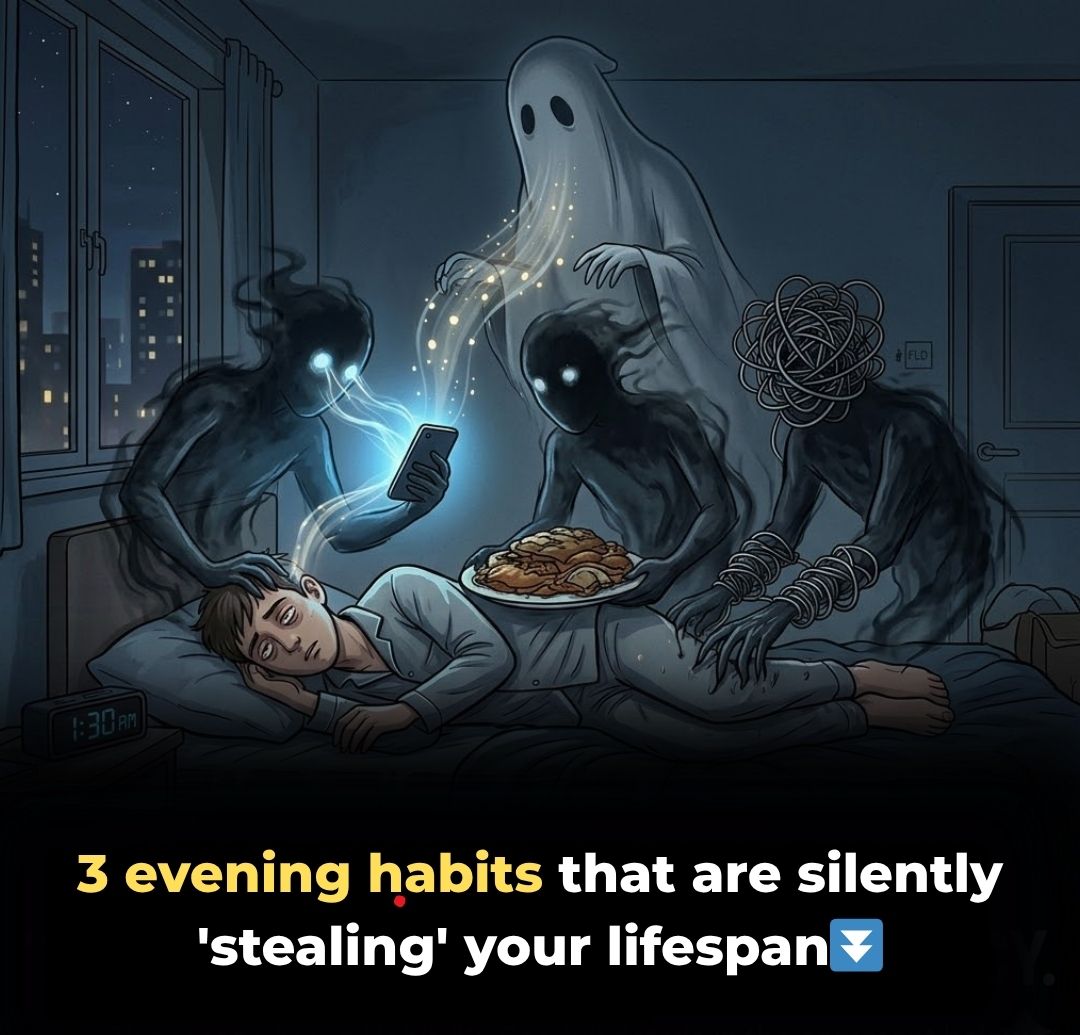
Evenings are not just the end of your day—they’re the foundation for tomorrow. When your nighttime routine supports rest and recovery, your body pays you back in focus, energy, and long-term health.
ADVERTISEMENT
