
ADVERTISEMENT
The Back Row: Safety and Strategy
The back row isn’t always about disengagement. Sometimes it’s about control.
From the back, you can observe everyone. You can slip in unnoticed. You can leave early without drawing attention. For introverts, it provides breathing room. For skeptics, it offers perspective.
The Middle: Balanced and Adaptable
Middle seats tend to attract those who want participation without spotlight. Close enough to engage, far enough to feel safe.
It’s the social middle ground. Not hiding. Not leading. Just present.
In many cases, middle sitters are flexible personalities — adaptable, observant, and content without center stage.
The Aisle vs. The Wall
Even subtle variations matter.
- Aisle seats suggest independence. You can exit freely. You’re not boxed in.
- Wall seats feel anchored. Protected on one side. Less exposed.
In restaurants, some people instinctively face the door — a subtle desire for awareness and control. Others choose a corner booth, signaling comfort and intimacy.
Power, Position, and Proximity
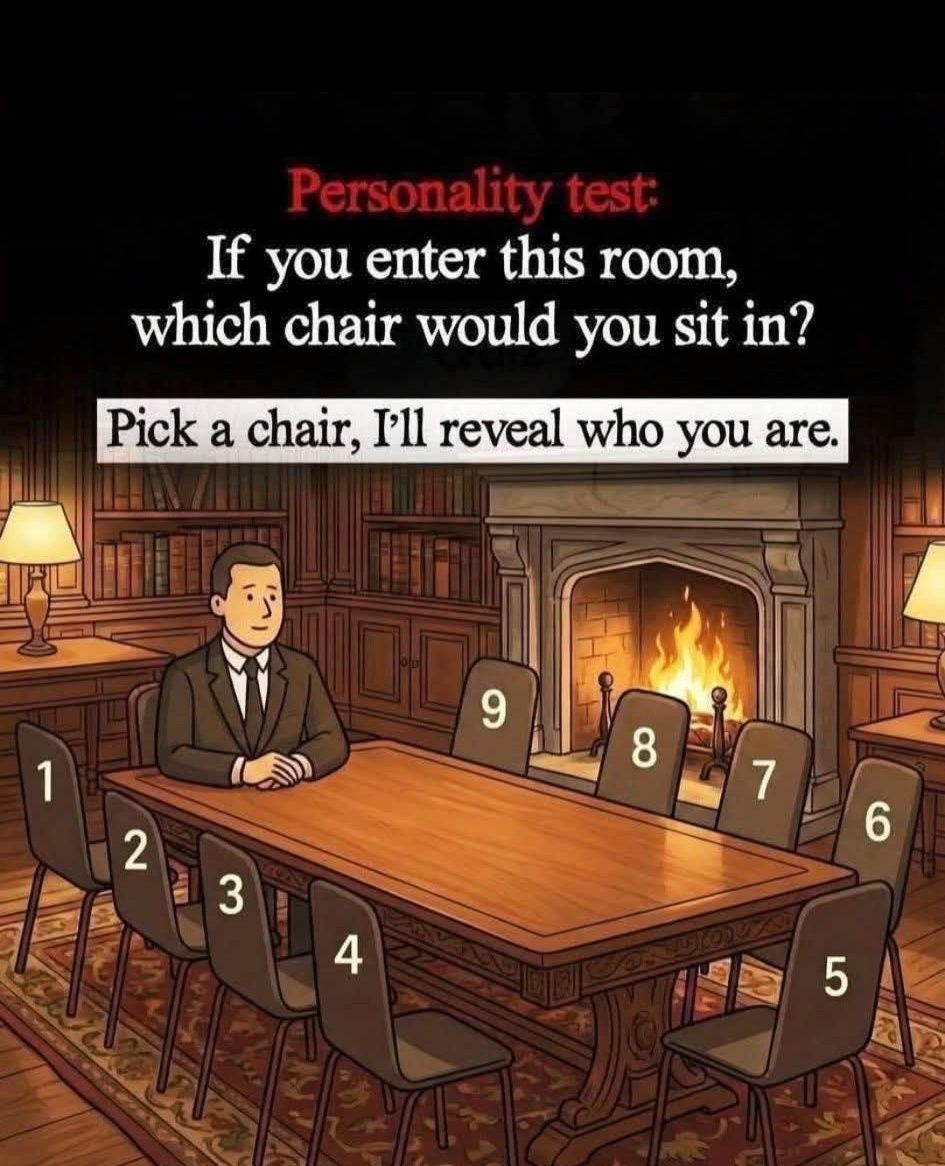
In meetings, seating hierarchy is rarely accidental. Leaders often sit at the head of the table. Close proximity to authority can signal alliance or ambition.
Even among friends, seating patterns form. The same people drift to the same spots over time — a quiet ritual of belonging.
Where we sit becomes part of our identity within a group.
What Your Choice Says About You
- Choosing visibility may signal confidence or ambition.
- Choosing distance may reflect caution or thoughtfulness.
- Choosing flexibility may show social awareness.
Sometimes, though, it’s simpler than psychology. Maybe you just want the best view. The nearest outlet. The most legroom.
And that’s human too.
ADVERTISEMENT
