
ADVERTISEMENT
What Does “Toothless” Really Mean?
When people refer to a knife as “toothless,” they usually mean it doesn’t have serrations. Bread knives, for example, have visible teeth designed to grip and tear through crusty surfaces. But chef’s knives, santokus, and slicing knives typically have straight edges.
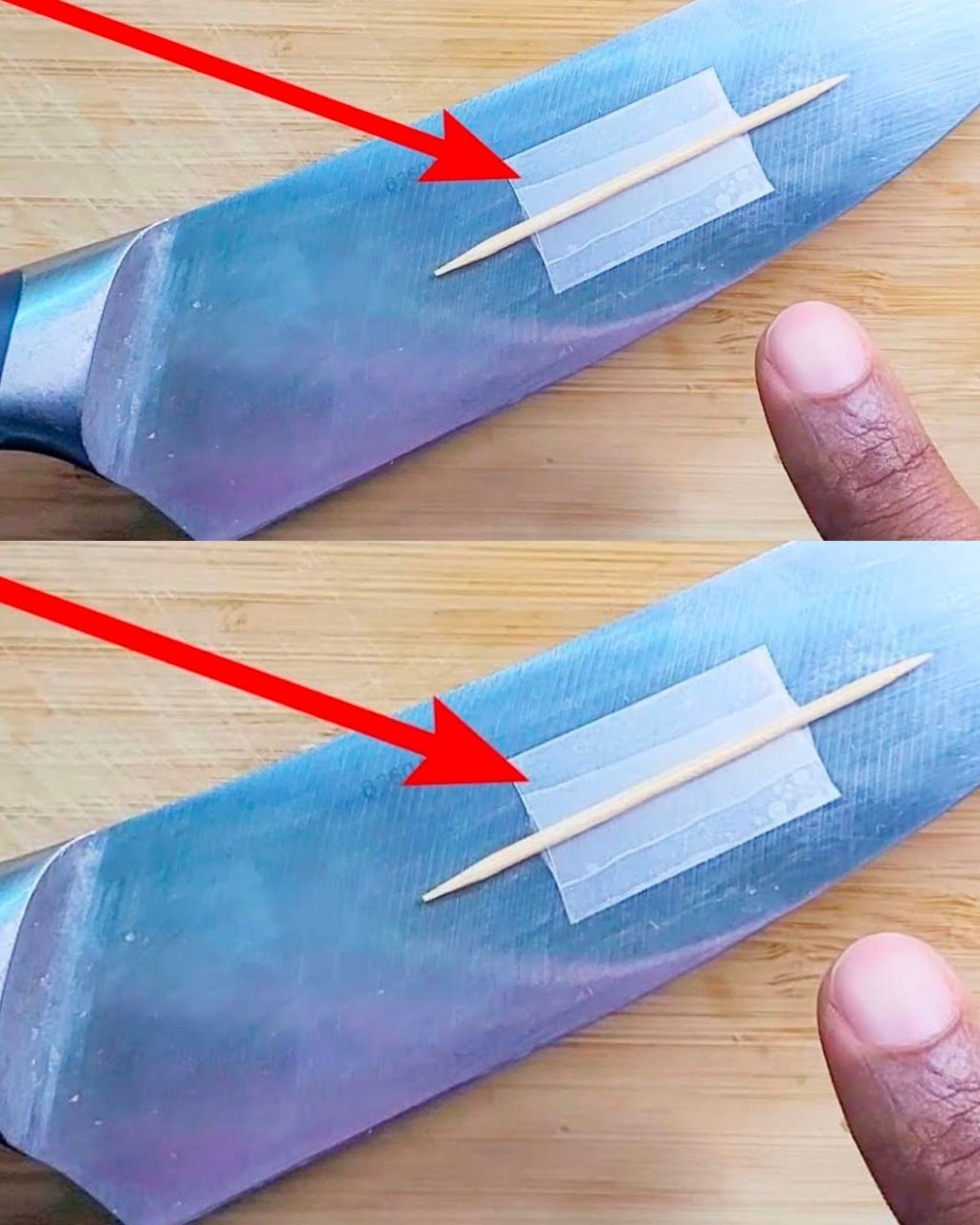
However, here’s the secret: even smooth-edged knives have microscopic “teeth.”
So while the blade looks toothless to the eye, it’s actually finely textured at a microscopic level.
Why Chefs Prefer Smooth Edges
Professional chefs rely on smooth-edged knives for several reasons:
Precision – A straight edge allows for exact cuts, which is essential for presentation and even cooking.
Clean Slices – Smooth blades cut rather than tear. This preserves the texture of delicate foods like fish, herbs, and vegetables.
Control – A non-serrated knife gives better feedback through the hand, allowing chefs to adjust pressure and angle instantly.
Versatility – One well-maintained chef’s knife can handle most kitchen tasks.
ADVERTISEMENT
