
ADVERTISEMENT
How to Freeze Bread Properly
Start by making sure the bread is completely cool if it’s freshly baked. Any residual warmth can create condensation, which turns into ice and damages texture.
Next, decide whether to freeze the loaf whole or sliced. Sliced bread is more convenient since you can take out only what you need, while whole loaves may retain slightly more moisture.
Label the package with the date so you can keep track of freshness.
How Long Can You Freeze Bread?
For best results, try to use frozen bread within a few weeks.
Thawing bread correctly is just as important as freezing it.
For individual slices, you can toast them directly from the freezer—no thawing required. This is one of the most convenient methods and often produces excellent results.
If you prefer softer bread, leave slices out for a few minutes, and they’ll quickly return to their original texture.
If your bread feels slightly dry after thawing, a quick refresh can bring it back to life.
Place the loaf in a warm oven for a few minutes to revive the crust and interior. For best results, lightly mist the crust with water before heating. This creates steam, helping restore that freshly baked feel.
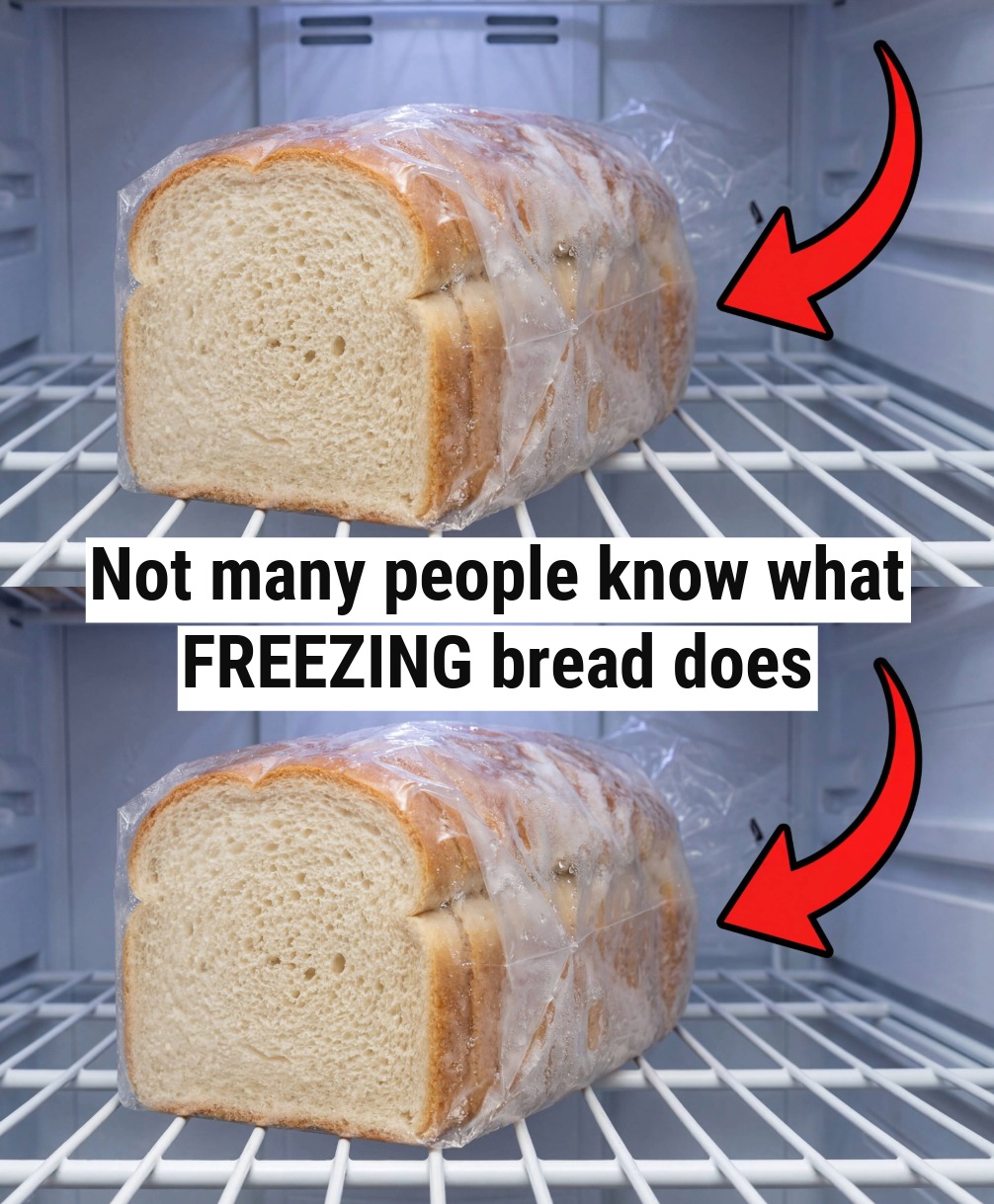
One of the biggest mistakes is freezing bread in its original packaging. Store-bought bags are often too thin to prevent freezer burn over time.
Finally, avoid refrigerating bread before freezing it. This accelerates staling and reduces overall quality.
A Simple Habit That Saves Time and Money
Freezing bread isn’t just about convenience—it’s also a practical way to reduce food waste and save money. Instead of throwing away half a loaf, you can preserve it for future meals, whether it’s for toast, sandwiches, or recipes.
With just a little preparation, you can ensure that every slice stays as delicious as the first. Freezing bread the right way turns an everyday staple into something you can always have on hand—fresh, flavorful, and ready whenever you are.
ADVERTISEMENT
