
ADVERTISEMENT
There’s also a common belief that putting hot soup directly into the fridge is dangerous or can damage the appliance. While it’s true that placing a very large, steaming pot into a refrigerator can raise the internal temperature temporarily, modern refrigerators are designed to handle warm food in reasonable quantities. The key is to cool food more quickly and evenly.
Another helpful guideline is the “two-hour rule.” Per widely accepted food safety recommendations, perishable foods should not be left at room temperature for more than two hours. If the room is particularly warm, that window may be even shorter.
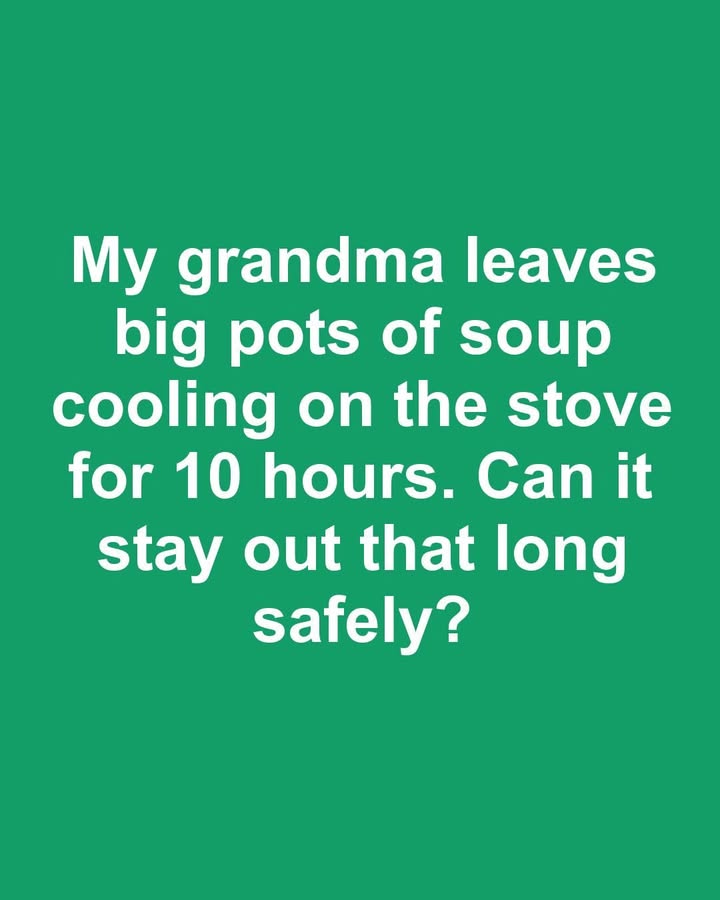
If soup has been left out for ten hours, the safest choice is to discard it. While it might look and smell fine, the risk of bacterial growth is high enough that it’s not worth taking chances, especially for children, older adults, or anyone with a weakened immune system.
In the end, a few small changes—like using smaller containers or refrigerating sooner—can make a big difference in keeping meals both delicious and safe.
ADVERTISEMENT
