
ADVERTISEMENT
What Happened to the Passengers After the Sinking
When Titanic sank in April 1912, more than 1,500 people lost their lives, most of them in the freezing waters of the North Atlantic. Some victims were recovered in the days and weeks after the disaster by rescue and recovery ships. However, many others were never found.
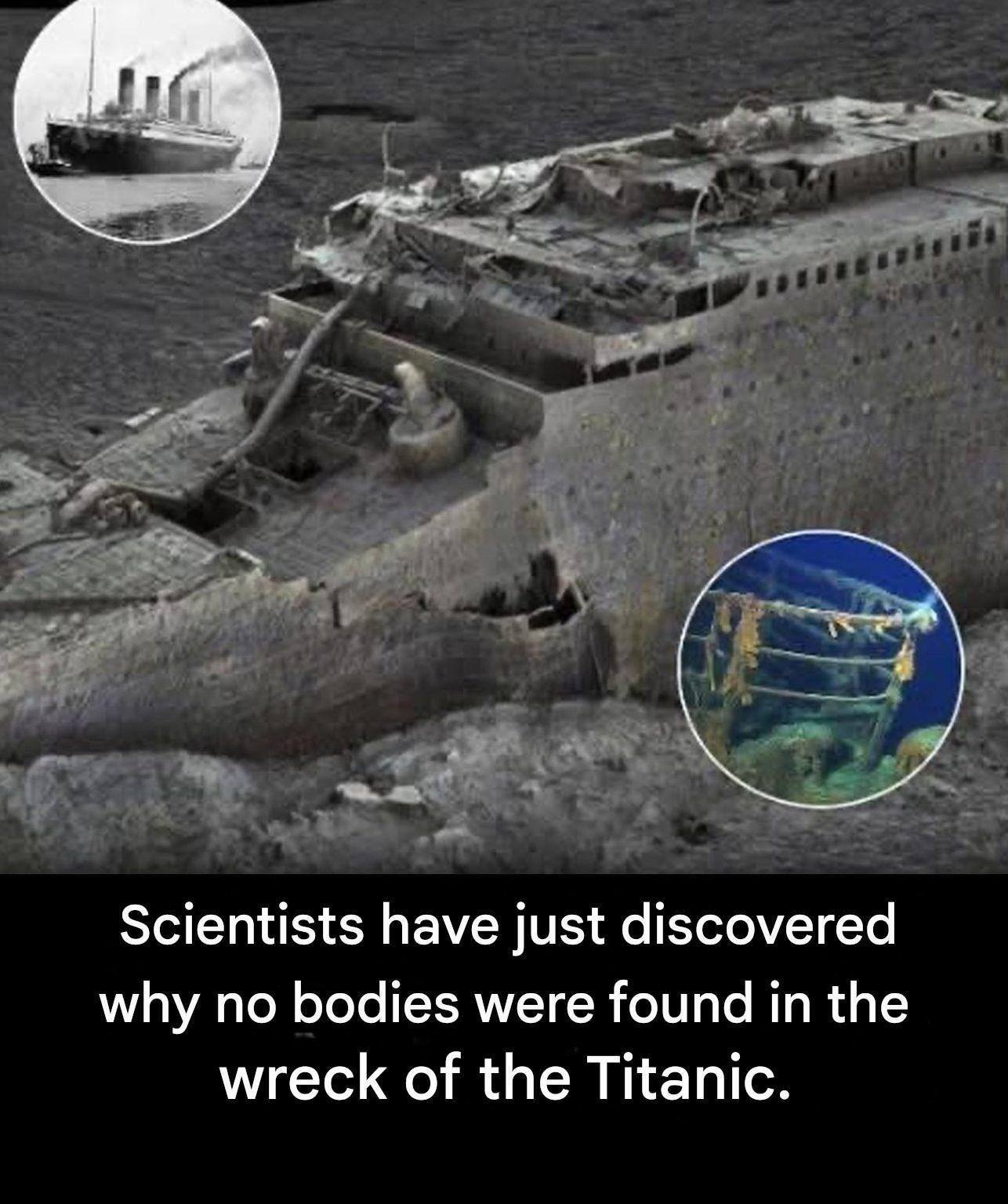
The Depth and Conditions of the Wreck Site
The Titanic rests about 12,500 feet (3,800 meters) below the surface — an environment that is hostile to both life and preservation:
- Extreme pressure: Over 5,500 pounds per square inch
- Near-freezing temperatures
- Total darkness
While cold water can slow decomposition, the deep ocean introduces other factors that accelerate the breakdown of organic material.
Ocean Life and Natural Decomposition
- Soft tissue would have been consumed by deep-sea creatures
- Bacteria would have broken down remaining organic material
- Clothing and personal effects would gradually decay
This process doesn’t happen overnight, but over decades, it leaves little behind.
Why Bones Didn’t Survive
One of the biggest surprises to researchers was the absence of skeletal remains. This is largely due to seawater chemistry:
- Deep ocean water below about 3,000 feet lacks enough calcium carbonate to preserve bones
- Human bones, which rely on calcium, slowly dissolve in these conditions
- Over decades, skeletons would completely disappear
Why Shoes Are Sometimes Seen
Explorers have occasionally found pairs of shoes near the wreck site. These aren’t evidence of intact bodies — instead:
- Leather and rubber degrade more slowly
- Shoes can remain long after bones have dissolved
- They often mark the final resting places of victims
Respecting a Maritime Grave
The Titanic wreck is officially considered a maritime memorial, not an archaeological dig site. Modern expeditions follow strict guidelines:
- No human remains are disturbed
- The site is documented, not exploited
- Artifacts are handled with care and context
ADVERTISEMENT
