
ADVERTISEMENT
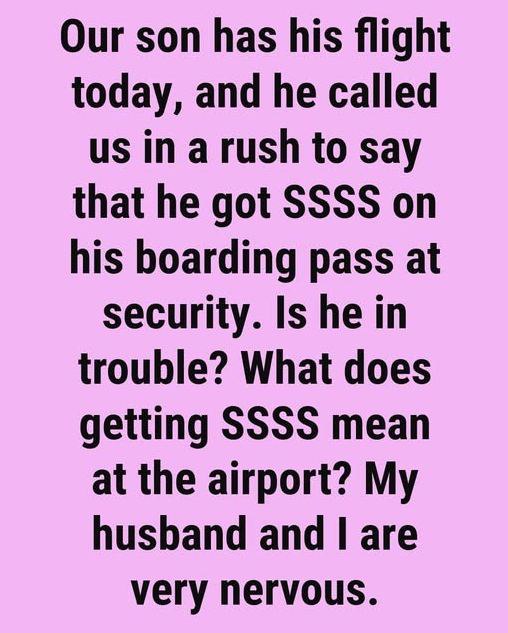
What “SSSS” Actually Means
SSSS stands for Secondary Security Screening Selection.
That’s it. It does not automatically mean:
- You’re suspected of a crime
- You’re on a no-fly list
- You did something wrong
Many completely ordinary travelers see SSSS at some point.
Why You Might Get SSSS on Your Boarding Pass
- Random selection (yes, really)
- Last-minute or one-way bookings
- International travel, especially from certain regions
- Paying in cash or using multiple reservations
- Name similarities to someone else in a database
- Frequent travel patterns that trigger automated systems
Important note: SSSS is often assigned by algorithms, not humans making judgments about you personally.
What Happens During Secondary Screening
If you have SSSS, you can expect:
- A more detailed bag search
- Possible swabs of your belongings for explosives residue
- Additional questions about your trip
- Extra time at the security checkpoint or gate
You won’t be interrogated, detained, or shamed—just screened more thoroughly.
How to Stay Calm (and Get Through It Smoothly)
Arrive Earlier Than Usual
Give yourself a buffer so the extra screening doesn’t feel rushed or stressful.
Be Polite and Cooperative
Keep Your Bags Organized
Messy bags = longer searches. Pack electronics and liquids neatly.
Don’t Joke About Security
Even harmless jokes can slow the process. Save the humor for after you board.
Remind Yourself: This Is Temporary
Can You Avoid Getting SSSS in the Future?
There’s no guaranteed way to prevent it, but these steps may help:
- Apply for TSA PreCheck or Global Entry
- Book round-trip flights when possible
- Use consistent personal information across reservations
- Avoid last-minute ticket changes if you can
If you get SSSS repeatedly and believe it’s due to mistaken identity, you can apply for a redress number through the U.S. Department of Homeland Security.
ADVERTISEMENT
