
ADVERTISEMENT
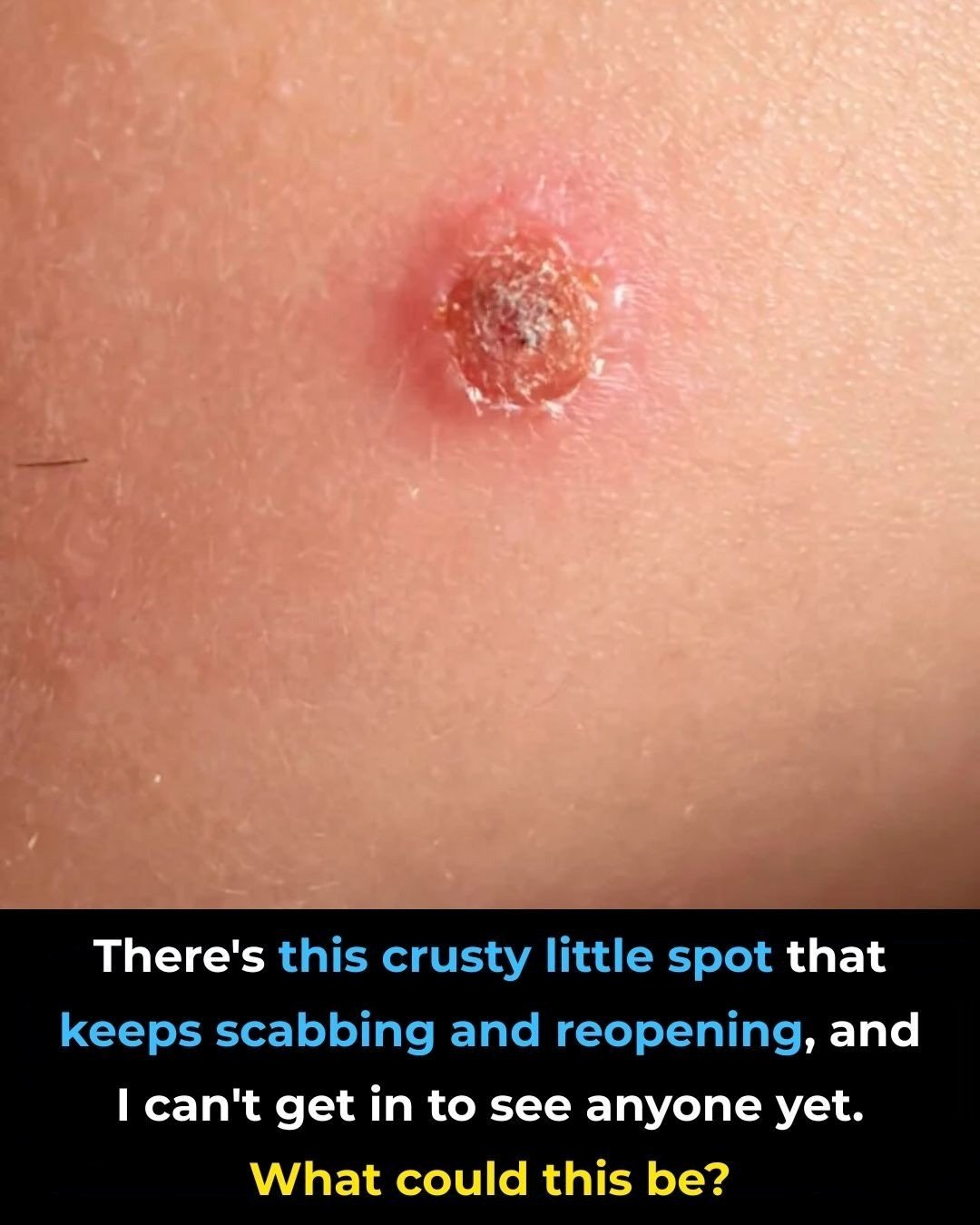
- Minor bacterial infections (like impetigo) can cause crusty sores that reopen.
- Signs: Yellow or honey-colored crust, redness, tenderness, sometimes mild swelling.
- These are rough, scaly patches caused by sun damage, more common in older adults or fair-skinned individuals.
- Signs: Small, hard or crusty spots that may bleed occasionally.
- Some skin cancers start as persistent scabs or sores that don’t heal.
- Warning Signs: Lesions that reopen after scabbing, have irregular borders, grow slowly, or crust over repeatedly.
- Allergic reactions, autoimmune disorders, or even fungal infections can occasionally cause spots that recur after healing.
What You Can Do Before Seeing a Doctor
While you wait to see a professional, these steps may help:
- Keep it Clean: Wash gently with mild soap and water.
- Avoid Picking: Scratching or reopening the scab can worsen the issue or cause infection.
- Cover if Needed: A sterile bandage can protect it from irritation.
- Monitor Changes: Take note of size, color, bleeding, or new symptoms to report to your healthcare provider.
- Avoid Irritants: Fragrances, harsh soaps, or scratching can prevent healing.
When to Seek Medical Attention Immediately
- Bleeds repeatedly without healing
- Changes shape, color, or size rapidly
- Becomes painful, swollen, or develops pus
- Persists for more than 2–3 weeks without improvement
Even if it turns out to be something minor, persistent lesions are always worth checking, especially to rule out skin cancer or infections. Early diagnosis makes treatment easier and more effective.
Bottom Line: A crusty, scabbing spot that keeps reopening can be caused by anything from minor irritation to a more serious skin condition. Keep it clean, avoid picking, and schedule a check-up as soon as you can. Monitoring and early evaluation are key to peace of mind and proper care.
ADVERTISEMENT
