
ADVERTISEMENT
A Brief History of Cremation
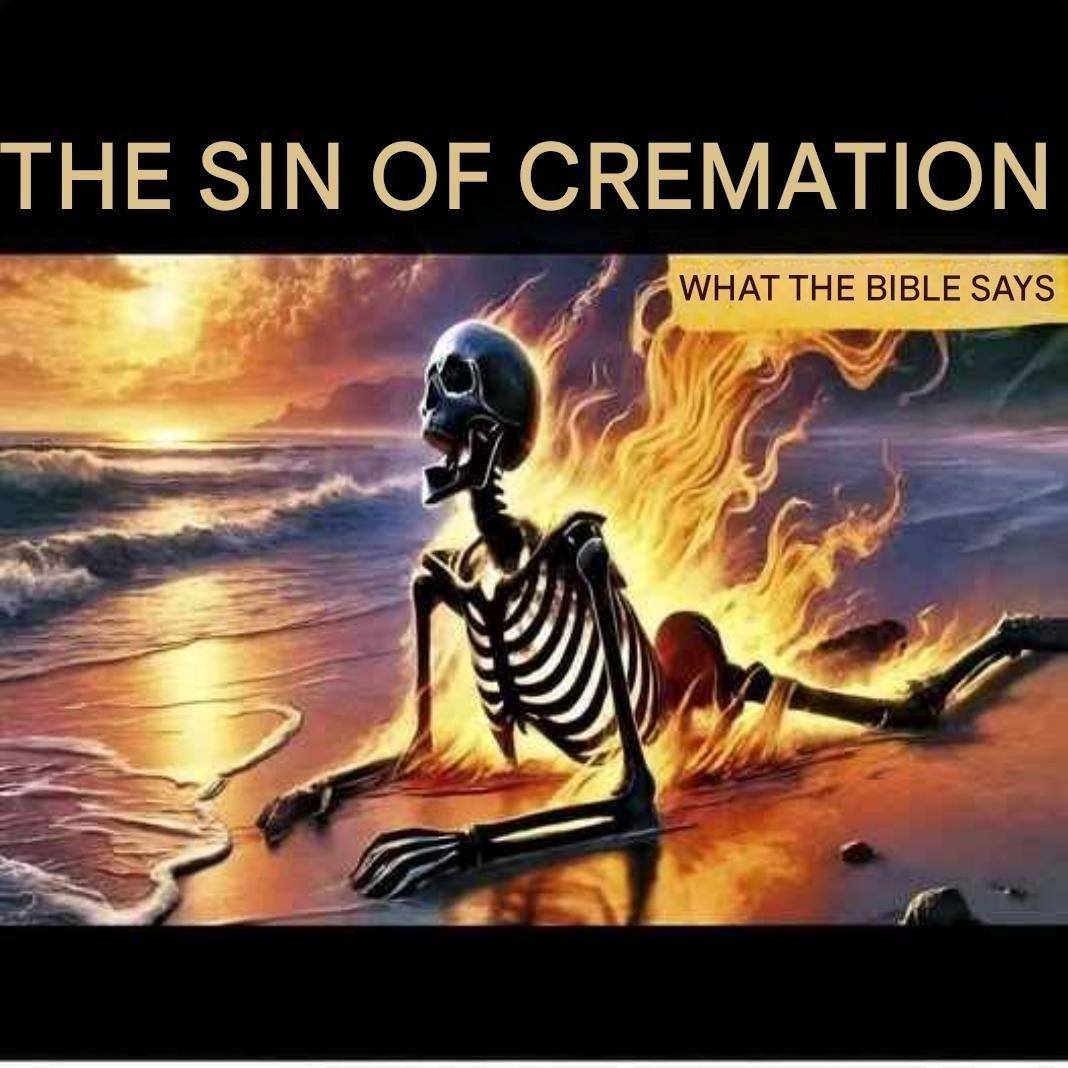
Cremation is far from a modern practice. Archaeological evidence shows that ancient civilizations, including the Greeks, Romans, and Hindus, used fire to return the body to its elemental state. In some cultures, cremation symbolized purification, spiritual liberation, or preparation for the afterlife. However, in other societies — particularly in early Judeo-Christian communities — burial was the preferred method, associated with dignity and respect for the body.
Religious Perspectives on Cremation
- Christianity:
In traditional Catholic doctrine, cremation was once discouraged because it was seen as contrary to the belief in bodily resurrection. The Catholic Church allowed cremation in 1963, provided it was not chosen for reasons denying the resurrection of the body. Many conservative Christians still prefer burial, viewing it as the most faithful reflection of biblical teachings. - Islam:
Cremation is strictly forbidden in Islam. The human body is considered sacred, and burial is required, reflecting respect for the deceased and obedience to God’s law. Cremation is often viewed as a grave sin in this context. - Judaism:
Traditional Jewish law also forbids cremation, emphasizing burial as the proper way to honor the dead. Cremation is sometimes seen as a rejection of the covenantal respect owed to the body. - Hinduism and Buddhism:
Contrastingly, cremation is common and often considered a sacred duty in Hinduism and many Buddhist traditions. It is believed to release the soul from the body and aid in the cycle of reincarnation. In these contexts, cremation is not sinful but spiritually meaningful.
Modern Controversies
Cultural and Ethical Considerations
For some, the sin of cremation is not only religious but also ethical. Discussions about organ donation, environmental impact, and the commercialization of death intersect with traditional objections. In communities where burial is considered a moral imperative, cremation may be seen as violating both spiritual and societal norms.
Finding Balance
In today’s world, many families seek a middle ground: choosing cremation while conducting memorial rituals, prayers, or ceremonies that honor the deceased. Clergy in some traditions offer guidance on reconciling religious teachings with practical considerations, helping families navigate this deeply personal decision.
ADVERTISEMENT
