
ADVERTISEMENT
What Does “WC” Stand For?
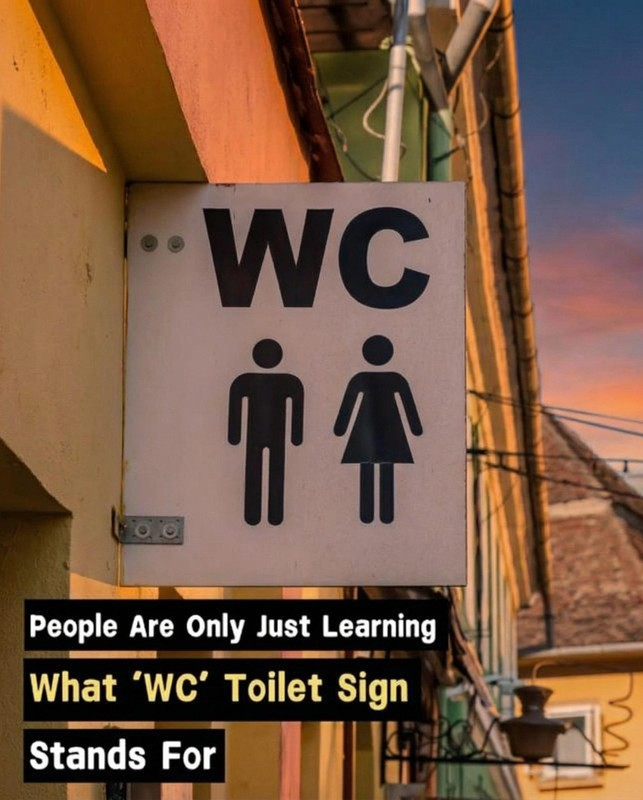
“WC” stands for Water Closet.
The Rise of Indoor Plumbing
During the 1800s, rapid urbanization created serious sanitation challenges. Cities needed cleaner and more efficient waste systems. Innovations in plumbing made indoor flush toilets more practical and hygienic.
One of the key figures in improving modern sanitation was Thomas Crapper, a British plumber who popularized sanitary plumbing fixtures in the late 19th century. While he did not invent the toilet, his work helped standardize and promote flush toilet systems in Victorian England.
Why “WC” Spread Globally
The British Empire played a major role in spreading English terminology across Europe, Asia, and Africa. Because “water closet” was a formal architectural term, it appeared on building plans, public signage, and travel guides.
Even in countries where English isn’t the primary language, “WC” became widely understood. Today, you’ll commonly see the abbreviation in places like:
- France
- Germany
- Italy
- Japan
- China
Why English Speakers Don’t Use It Much Anymore
In the United States and some other English-speaking countries, “water closet” gradually fell out of everyday conversation during the 20th century. Instead, people began using softer or more indirect terms like:
- Bathroom
- Restroom
- Washroom
- Lavatory
ADVERTISEMENT
