
ADVERTISEMENT
The Legal Side Always Comes First
No matter how friendly your relationship with your neighbors is, local laws and regulations take priority over etiquette.
1. Property Lines
Building even a few inches over the property line can result in:
- Forced removal of the fence
- Legal disputes
- Costly surveys and court fees
A professional land survey is often the safest investment before construction.
2. Local Zoning and Fence Codes
- Fence height (often lower in front yards)
- Materials (wood, vinyl, metal, etc.)
- Placement near sidewalks or roads
- Visibility at intersections
Ignoring these rules can result in fines or mandatory changes—no matter how understanding your neighbor may be.
3. HOA Rules (If Applicable)
Homeowners’ associations often have stricter standards than city codes. Failing to comply can lead to daily fines or legal action, even if the fence meets municipal requirements.
Where Etiquette Comes In
1. Talk to Your Neighbors First
Even if you’re building entirely on your property, a quick conversation can:
- Prevent misunderstandings
- Reduce resentment
- Avoid complaints to the city
2. Consider Aesthetics
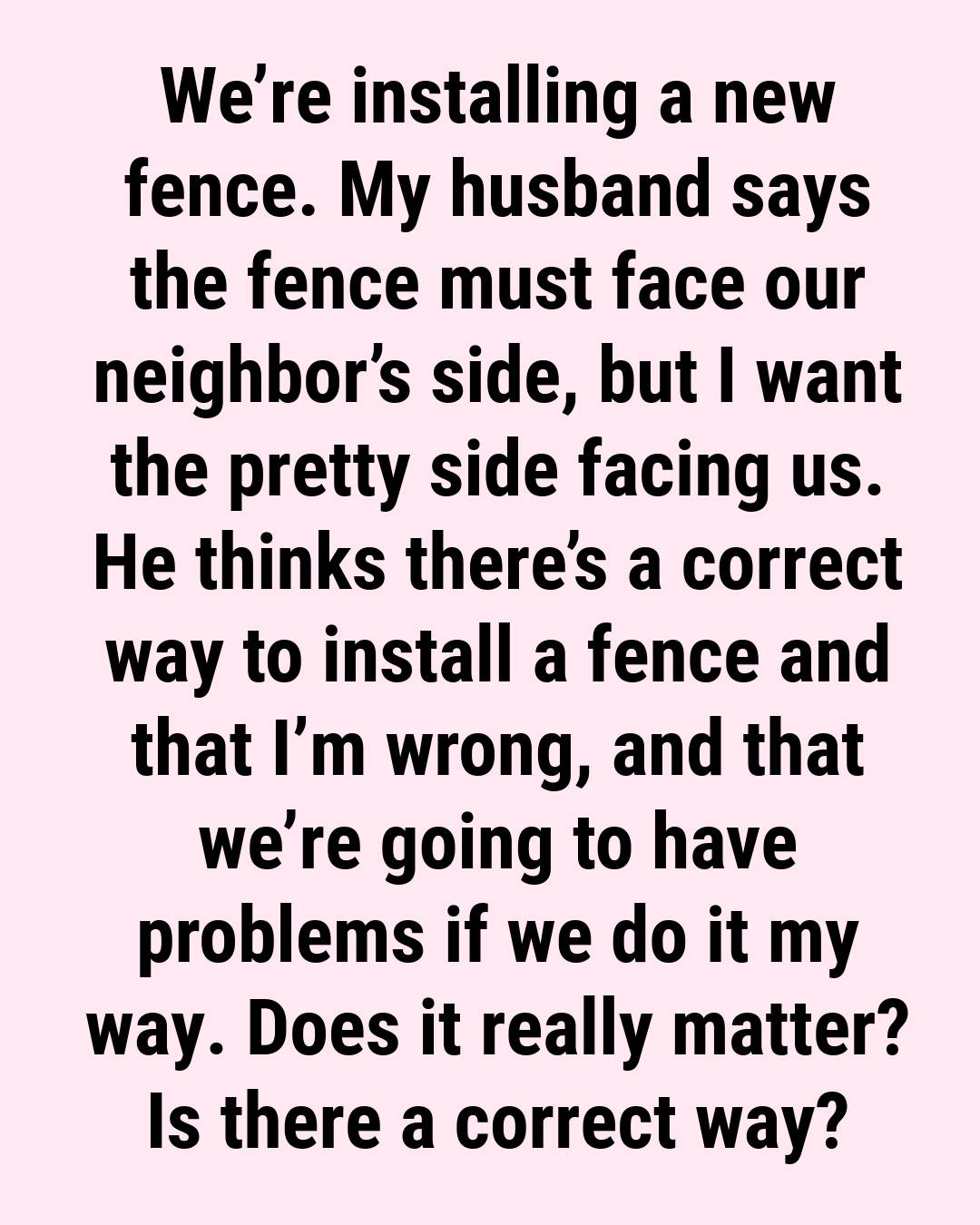
In many communities, fences are built with a “good side out” expectation—the finished side faces the neighbor or public space. While not always legally required, it’s a common courtesy.
3. Shared Fences Require Shared Agreements
- Shared maintenance costs
- Mutual consent for changes
- Limits on removal
Written agreements are smart, even between friendly neighbors.
Common Fence Disputes (and How to Avoid Them)
Most fence conflicts arise from:
- Unclear property boundaries
- Height or style disagreements
- Drainage or sunlight issues
- Assumptions instead of communication
So What Really Matters Most?
The law decides what’s allowed. Etiquette decides whether peace is preserved.
You can be legally correct and still create a feud that lasts years—or you can combine legal compliance with good communication and build without conflict.
Smart Fence-Building Checklist
- Have I verified property lines?
- Have I checked local and HOA regulations?
- Have I talked to my neighbor?
- Do I understand shared fence responsibilities?
If the answer is yes to all four, you’re on solid ground—legally and socially.
ADVERTISEMENT
