
ADVERTISEMENT
Why Brighter Lights Can Be Dangerous
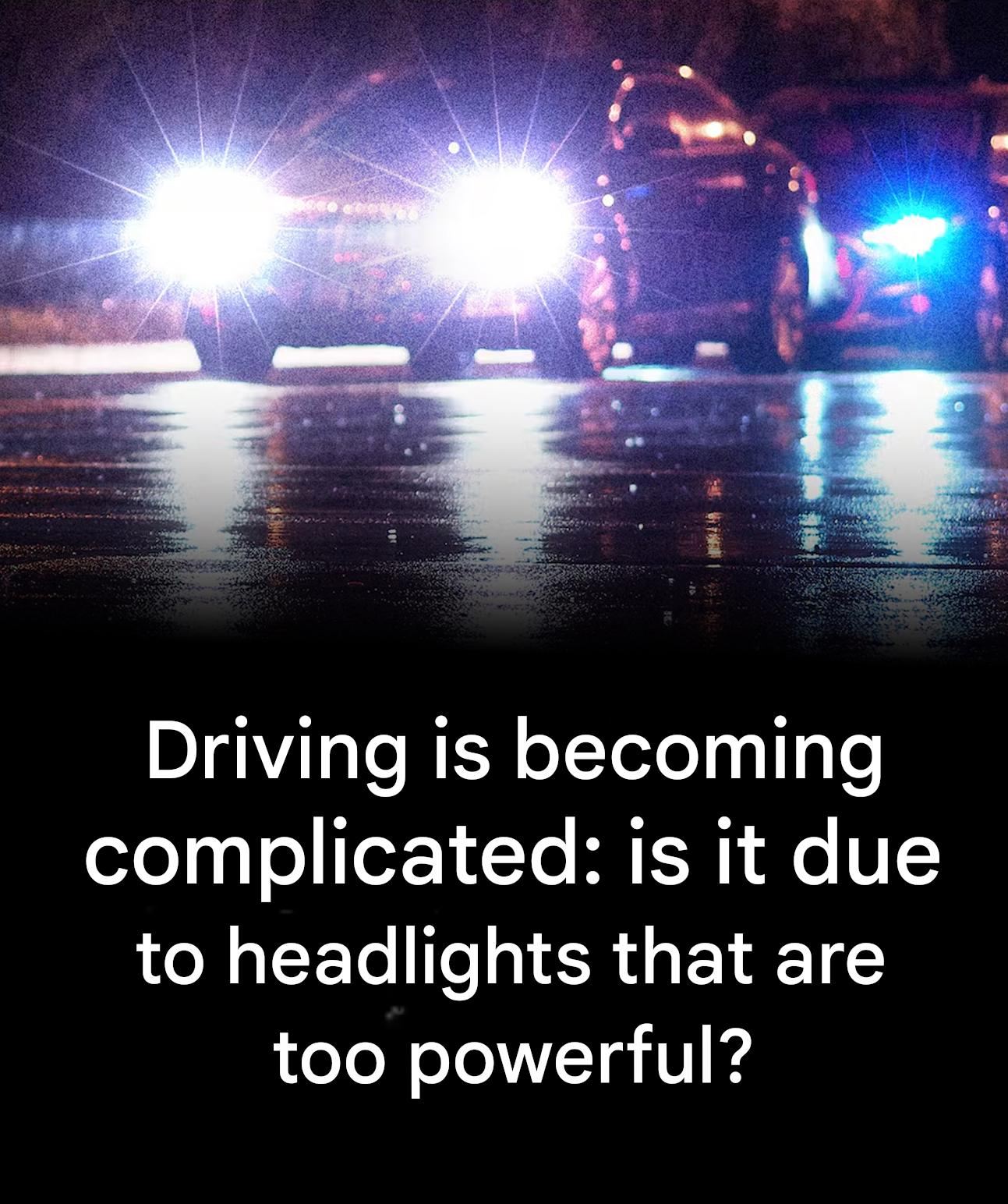
- Glare for Oncoming Drivers: The intense light can overwhelm the eyes of drivers coming in the opposite direction, reducing visibility and increasing the risk of accidents.
- Poor Adjustment: Some headlights are improperly aligned, shining too high or too far, which makes glare worse for others.
- Aging Eyes: Older drivers are especially sensitive to bright lights, as aging eyes struggle to adjust to sudden changes in brightness.
- Urban Reflections: Wet roads, reflective signs, and other vehicles can scatter the light, creating confusing visual patterns.
Common Complaints from Drivers
- “I can’t see the lane lines when a car with LEDs approaches.”
- “Night driving feels exhausting because the glare is constant.”
- “Even with sunglasses, the headlights are blinding.”
What Drivers Can Do
While the automotive industry adjusts to these concerns, drivers can take steps to protect themselves:
- Adjust Your Mirrors: Tilt side mirrors slightly downward to reduce glare reflection from cars behind you.
- Keep Windshield Clean: Dirt and streaks magnify glare, so clean your windshield inside and out.
- Use Low Beams: When driving behind other vehicles or in heavy traffic, switch to low beams.
- Anti-Reflective Glasses: Prescription or driving glasses with anti-reflective coatings can reduce glare significantly.
- Report Improper Headlights: If oncoming headlights are poorly aligned or excessively bright, local authorities may issue inspections or warnings.
-
ADVERTISEMENT
