
ADVERTISEMENT
1. Genetics: The Hidden Factor No Diet Can Change
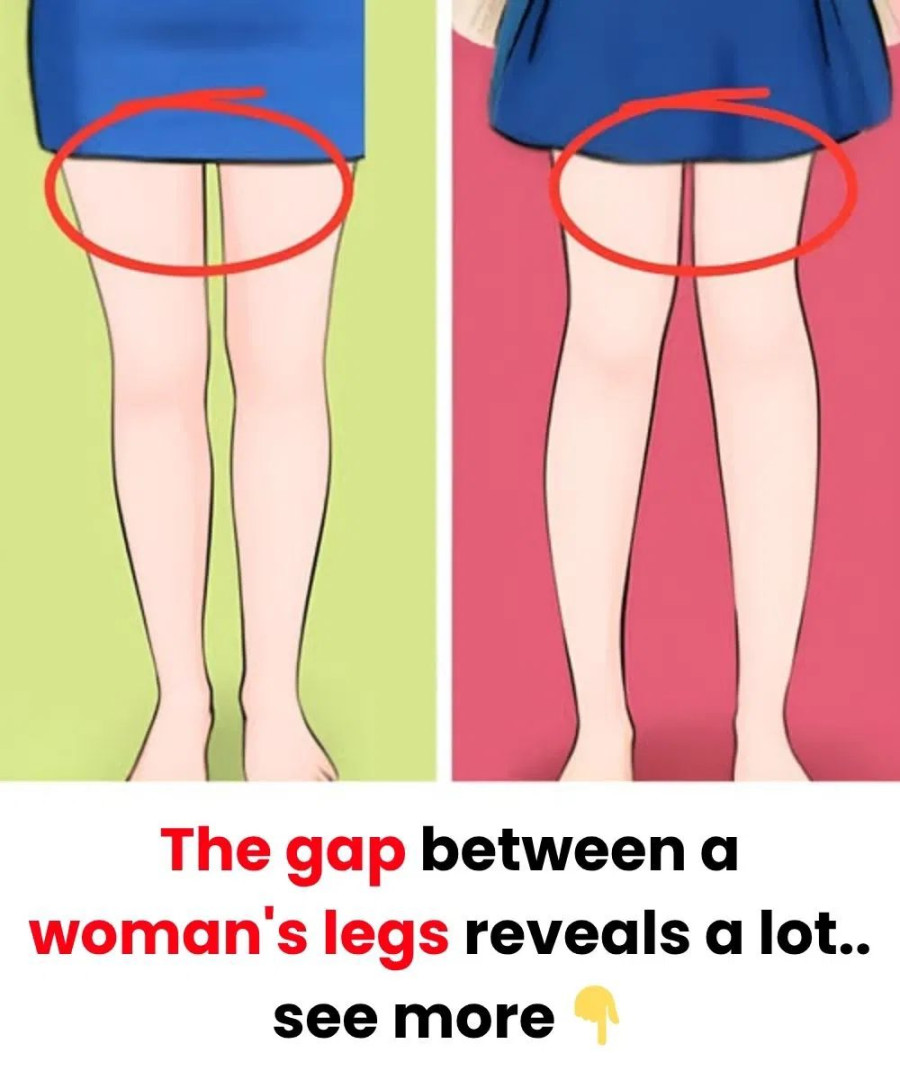
Some people naturally have wider-set hips and longer femurs, which may create space between the thighs regardless of body fat percentage. Others may never have a thigh gap, even at a lower weight, because their hips are narrower or their muscles are naturally fuller in that area.
Bottom line: Your skeleton determines more about your thigh gap than your smoothie does.
2. Diet Can Influence Fat Distribution — But Only So Much
While some people lose fat in their thighs quickly, others might lose it in their face, arms, or stomach first. This is called fat distribution, and again, it’s largely genetic.
3. An Unhealthy Obsession: When Diet Becomes Dangerous
If achieving a thigh gap becomes a diet goal, it can lead to unhealthy behaviors such as:
- Extreme calorie restriction
- Skipping meals
- Overexercising
- Disordered eating patterns
4. A Better Question: What Does Your Diet Say About Your Health?
Rather than chasing a specific aesthetic, it’s better to ask:
Is my diet nourishing my body? Is it supporting my energy, mood, hormones, and overall well-being?
- Provide enough calories to support your daily activities
- Include a balance of protein, healthy fats, complex carbs, and fiber
- Promote stable energy levels and mental clarity
- Help you feel strong, not deprived
Your diet should support your life — not the other way around.
ADVERTISEMENT
