
ADVERTISEMENT
What is JADAM Liquid Fertilizer (JLF)?
JLF is:
- Cost-effective (most ingredients are locally available or free)
- Natural and organic
- Rich in beneficial microbes
- Customizable to crop needs and growing stages
Why Use Potatoes and Manure?
The combination of potatoes and manure creates a nutrient-dense fertilizer with both fast and slow-release properties:
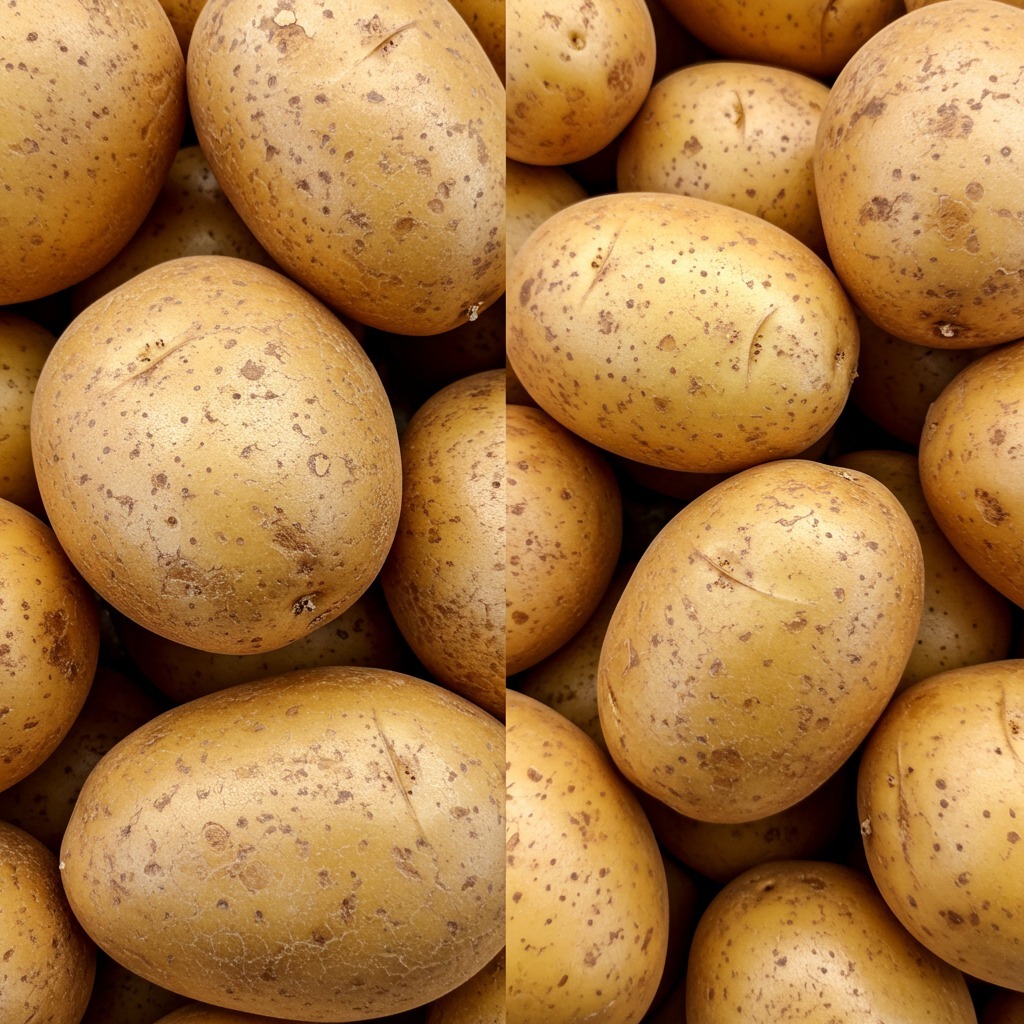
- Potatoes: High in starch and sugars, they serve as a microbial food source, speeding up fermentation and encouraging healthy microbial colonies.
- Manure: Packed with nitrogen, phosphorus, potassium, and trace minerals. It adds essential nutrients and beneficial microbes to the mix.
Ingredients and Tools
To make approximately 20 liters of JLF, you’ll need:
Ingredients:
- 1–2 medium-sized potatoes (around 200–300g)
- 1–2 kg of animal manure (cow, goat, chicken, or horse manure; aged is better)
- Unchlorinated water (20 liters)
- 1 handful of leaf mold soil (optional but recommended – acts as a microbial starter)
Tools:
- A 20L plastic container with a loose-fitting lid (do not seal airtight)
- A mesh or cloth for covering the container
- A wooden or plastic stirring stick
Step-by-Step Instructions
Step 1: Prepare the Potatoes
- Wash and chop the potatoes into small pieces.
- No need to cook them—the microbes thrive on raw starches.
- You can also mash them slightly to release more sugars.
Step 2: Add the Manure
- Place the manure into the 20L container.
- Break it up to ensure even fermentation.
Step 3: Add Potatoes to the Container
- Add your chopped potatoes to the manure.
Step 4: Add Water
- Fill the container with unchlorinated water (rainwater or dechlorinated tap water).
- Leave about 2–3 inches of space at the top.
Step 5: Add Leaf Mold Soil (Optional)
- A handful of forest soil (leaf mold) adds native beneficial microbes and speeds fermentation.
Step 6: Stir and Cover
- Stir the mixture thoroughly.
- Cover the container with a breathable cloth or loose-fitting lid to allow gases to escape while keeping pests out.
Step 7: Fermentation
- Let the mixture sit for 7 to 14 days, depending on temperature.
- Stir daily to promote aeration and microbial activity.
- The mixture will smell earthy or slightly strong but shouldn’t smell rotten or sulfuric.
How to Know It’s Ready
The JLF is ready when:
- The liquid has a dark brown color
- It smells fermented or earthy, not foul
- Solid materials have settled at the bottom
- Bubbles may form on the surface (a good sign of microbial activity)
How to Use JADAM Liquid Fertilizer
Dilution Rate:
- 1:20 to 1:30 ratio with water for general use
- Example: 1 liter of JLF to 20–30 liters of water
Application:
- Apply to soil or around plant roots (not directly on leaves)
- Use weekly or bi-weekly depending on crop needs
- Can be used in drip systems or watering cans
Storage and Shelf Life
- Store unused JLF in a cool, shaded area
- Keep it covered but not airtight
- Can last up to 6 months if stored properly
- Stir occasionally if storing long-term
Benefits of Using Potato-Manure JLF
- Enhances soil microbiology
- Improves nutrient availability
- Increases plant vigor and resilience
- Reduces dependency on commercial fertilizers
- Builds long-term soil fertility
-
ADVERTISEMENT
