
ADVERTISEMENT
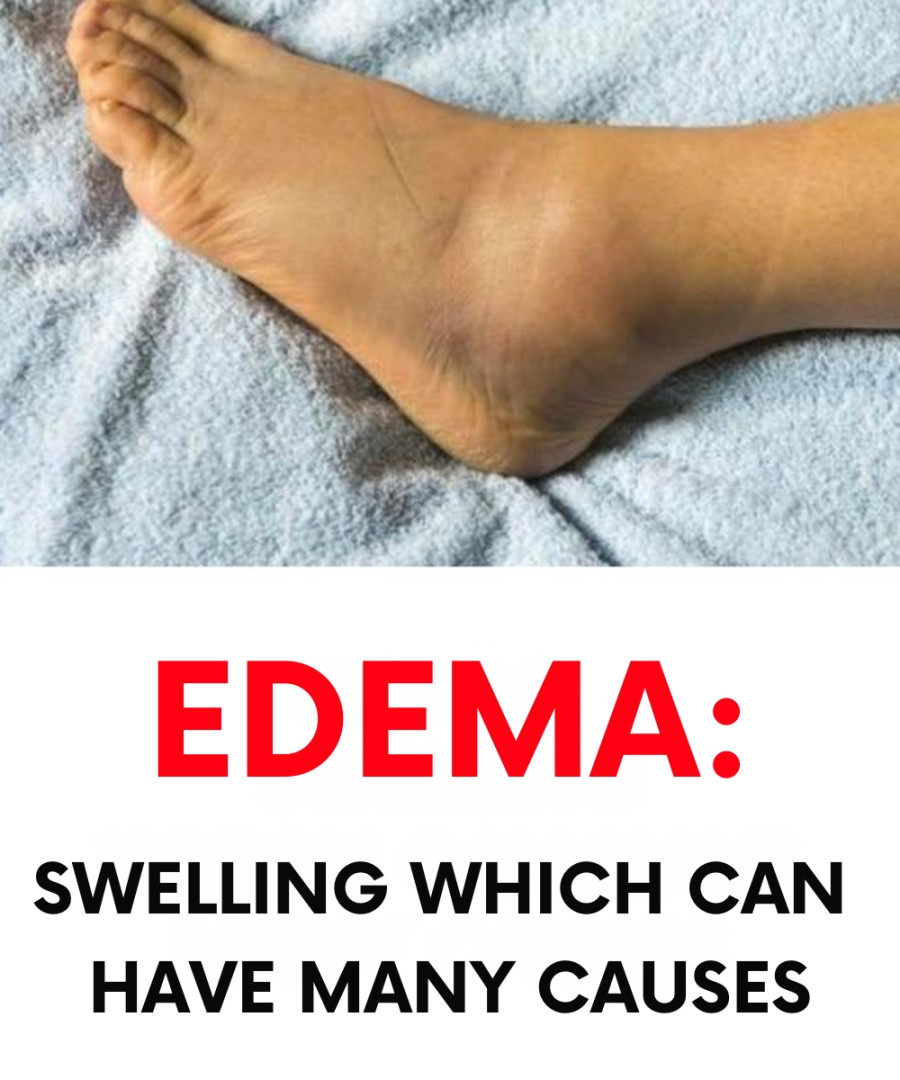
💧 What Is Edema?
It may feel:
- Puffy or swollen
- Tight or stretched
- Heavy or uncomfortable
You may notice that pressing on the swollen area leaves a dent — this is called pitting edema.
🩺 Common Causes of Edema
✅ 1. Standing or Sitting for Too Long
Gravity can cause fluid to pool in your lower body, especially if you’re on your feet all day or sitting for long periods (e.g., on a plane or at a desk).
Solution: Elevate your legs, take breaks to move around, and wear compression socks if needed.
✅ 2. High Salt Intake
Solution: Cut back on processed foods and salty snacks; drink plenty of water to flush out excess sodium.
✅ 3. Medications
- Blood pressure medications
- Steroids
- Hormone therapies (like estrogen)
- NSAIDs (like ibuprofen)
Solution: Talk to your doctor about alternatives if you suspect your meds are causing swelling.
✅ 4. Pregnancy
Note: Sudden or severe swelling could indicate preeclampsia (a dangerous pregnancy complication) and should be checked immediately.
✅ 5. Kidney Problems
Your kidneys filter excess fluid and waste from the body. If they’re not working properly, fluid can build up — especially in the legs, ankles, or around the eyes.
✅ 6. Heart Failure
If the heart can’t pump blood effectively, it may lead to fluid buildup in the lungs, abdomen, or lower limbs. This kind of edema is often a serious medical condition.
Symptoms to watch for:
- Shortness of breath
- Swelling in legs/ankles
- Fatigue
- Rapid weight gain
✅ 7. Liver Disease
✅ 8. Lymphatic System Issues
If your lymphatic system is blocked or damaged (such as after cancer treatment or surgery), it can lead to lymphedema — a chronic swelling that usually affects one arm or leg.
📋 When Should You See a Doctor?
- Sudden or severe swelling
- Swelling with shortness of breath or chest pain
- Swelling in only one limb (could be a blood clot)
- Skin that is red, warm, or painful to the touch
- Persistent swelling that doesn’t improve with elevation or rest
🥦 Can Diet & Lifestyle Help?
Yes! In many cases, simple changes can help reduce or prevent edema:
- Reduce sodium intake
- Stay active — walking, swimming, and leg exercises help
- Drink more water
- Limit processed foods and alcohol
- Wear compression garments if recommended
- Elevate swollen limbs several times a day
🥒 Natural diuretics like cucumber, parsley, lemon, and dandelion tea may also help flush out excess fluid (talk to your doctor first, especially if you’re on medications).
ADVERTISEMENT
