
ADVERTISEMENT
Common foodborne parasites include:
* **Toxoplasma gondii** – found in undercooked meat and contaminated produce
* **Trichinella spiralis** – from undercooked pork or wild game
* **Taenia solium** (pork tapeworm) – from infected pork
* **Anisakis** – a worm found in raw or undercooked seafood
* **Giardia lamblia** – from contaminated water or produce
* **Cryptosporidium** – found in contaminated food or water, especially in salads and fruits
## 🍣 How Do We Get Infected?
Parasites make their way into food and water through **contaminated soil, animal feces, or improper food handling**. Here are some of the most common infection routes:
Even **cross-contamination** in your kitchen — like cutting vegetables on the same board used for raw meat — can be enough to cause infection.
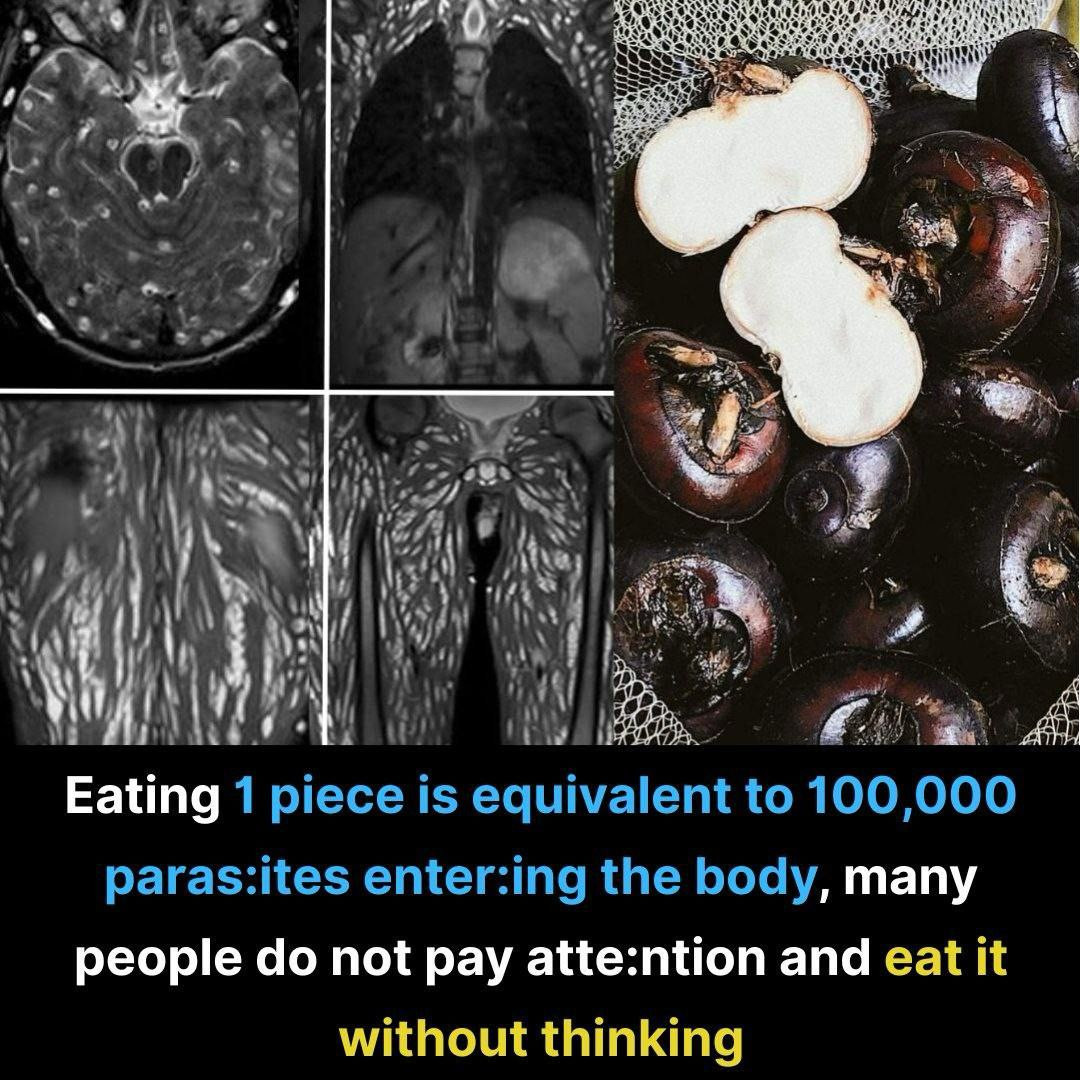
## 🧬 Just One Bite: What Can Go Wrong?
Possible symptoms include:
* Nausea, vomiting, and diarrhea
* Abdominal pain and bloating
* Muscle aches and joint pain
* Fever and fatigue
* Vision problems or seizures (in rare, severe cases)
—
## 🧼 How to Protect Yourself: 7 Practical Tips
1. **Cook meat thoroughly** – Use a food thermometer. Pork, for example, should be cooked to 145°F (63°C), and ground meat to 160°F (71°C).
2. **Freeze seafood before consuming raw** – Freezing kills many parasites that survive cooking.
3. **Wash fruits and vegetables thoroughly** – Especially if eaten raw.
4. **Practice good kitchen hygiene** – Use separate cutting boards for raw meat and produce.
5. **Avoid raw milk and unpasteurized dairy** – These can carry parasites and harmful bacteria.
6. **Drink safe water** – Especially when traveling abroad; opt for bottled or filtered water.
7. **Be cautious with food when traveling** – Stick to cooked, hot meals in unfamiliar regions.
## 🌍 A Global Health Issue
According to the World Health Organization (WHO), **foodborne parasites affect millions worldwide each year** and can lead to chronic illness and disability. In some parts of the world, especially where sanitation is limited, these infections are a **major public health concern**.
But even in developed countries, imported foods, global travel, and culinary trends (like eating raw fish or rare meat) have led to a **resurgence of parasitic infections** once thought to be rare.
—
## 🧠 Final Thoughts: Knowledge Is Your Best Defense
We live in an era where food is more global, accessible, and diverse than ever before — which is a wonderful thing. But with those benefits come risks we must be aware of.
Understanding the **hidden dangers of foodborne parasites** isn’t about living in fear — it’s about **being informed and proactive**. By taking a few simple precautions, you can enjoy your meals with confidence and protect your health, one bite at a time.
—
### ✅ Quick Recap: Don’t Forget
* Cook meat and seafood to safe temperatures
* Wash produce thoroughly
* Avoid risky raw foods, especially when pregnant or immunocompromised
* Maintain clean cooking practices
* Be extra careful when traveling abroad
—
Would you like this article turned into an infographic, checklist, or educational flyer? I can also create a version tailored for schools, health organizations, or travel safety guides!
ADVERTISEMENT
