
ADVERTISEMENT
🥚 4. Inspect the Shell (Before You Even Crack It)
🔍 Check for:
- Cracks or slime ➜ Could indicate bacterial contamination
- Powdery residue ➜ May be mold
- Unusual discoloration ➜ Best to toss
Clean, dry, uncracked shells are a good sign.
🔦 5. Use the “Candling” Method (Advanced, but Fun!)
This old-fashioned method is still used by egg producers today.
💡 How to Do It:
- In a dark room, shine a flashlight through the large end of the egg.
- Observe the air cell, yolk, and white.
What It Means:
- Small air pocket, yolk centered ➜ Fresh
- Large air pocket, moving yolk ➜ Old or bad
✅ Bonus Tip: Know the Shelf Life
- Raw eggs in the shell ➜ Last 3–5 weeks in the fridge
- Hard-boiled eggs ➜ Last 1 week refrigerated
- Best-by date ➜ A good guide, but not always accurate — use the tests above to be sure.
🧁 Final Thoughts
Eggs are one of the most versatile and affordable sources of protein — but safety is key. The next time you’re unsure about that lonely egg in the fridge, just run through these simple tests:
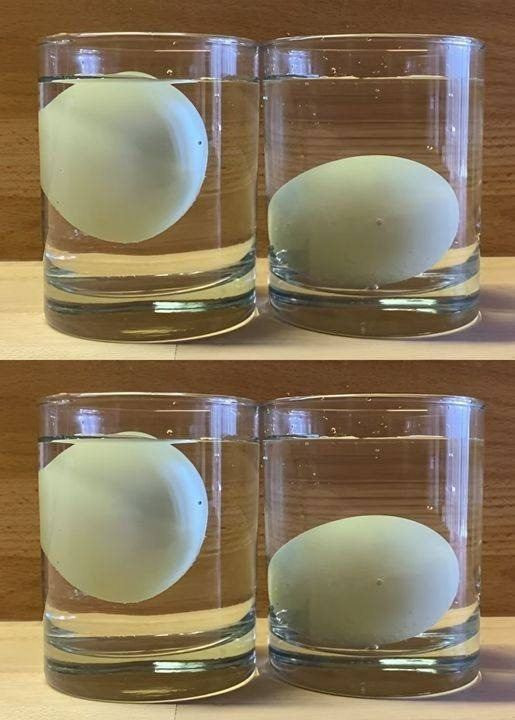
- Float it 🥚
- Sniff it 👃
- Shake it 👂
- Inspect it 👀
- Shine it 🔦
You’ll avoid food waste, save money, and most importantly — stay safe in the kitchen.
ADVERTISEMENT
