
ADVERTISEMENT
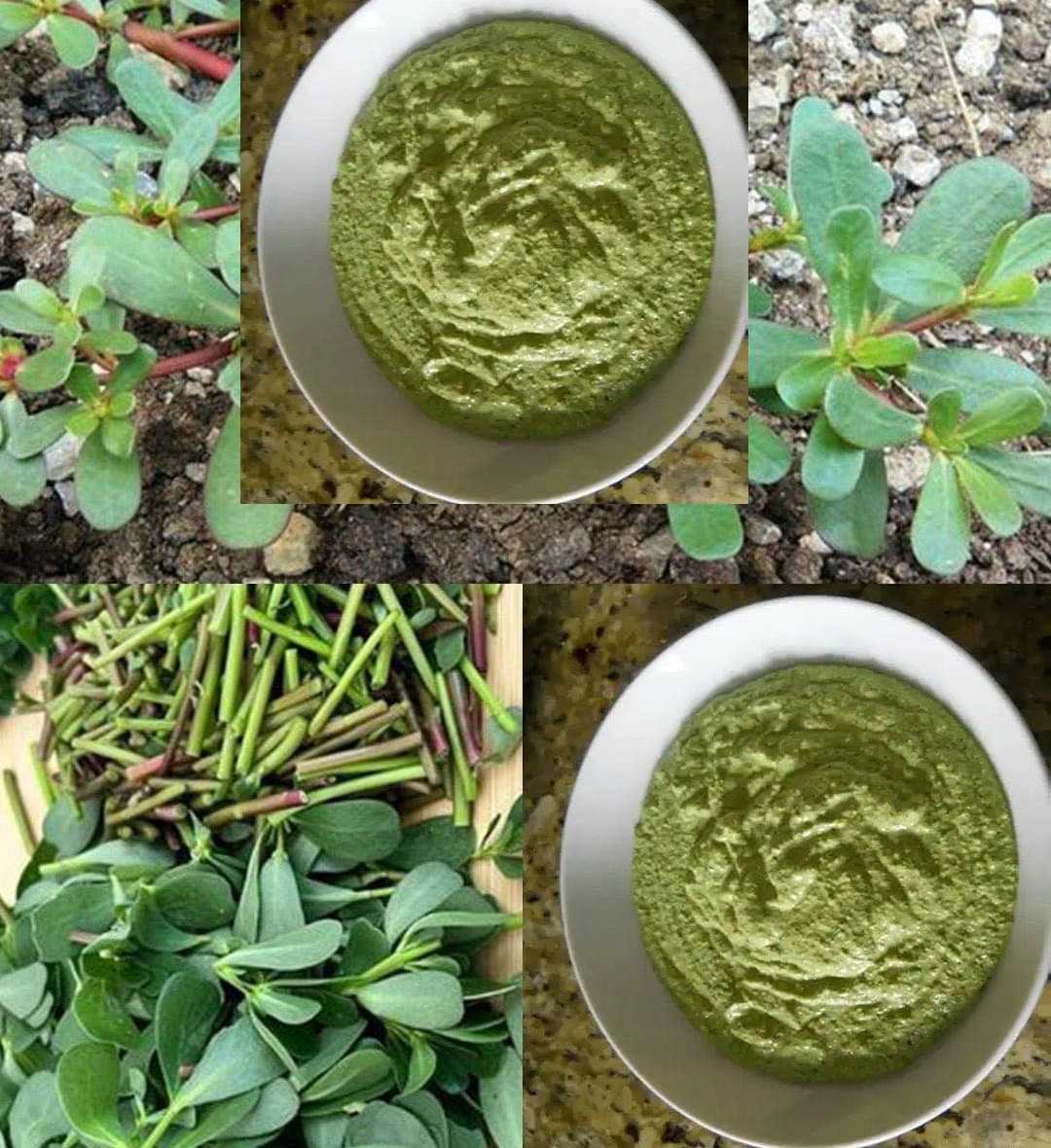
Purslane is very low in calories while being high in dietary fiber. This makes it an ideal food for those looking to lose weight. Fiber helps provide a lasting feeling of fullness, reducing the desire to snack between meals.
The omega-3 fatty acids and antioxidants found in purslane help reduce inflammation in the body. This can be especially beneficial for those suffering from chronic inflammation, such as arthritis.
Purslane is rich in mucilage, a substance that helps soothe the digestive system and prevent disorders such as constipation. It acts as a prebiotic, promoting healthy intestinal flora.
Studies have shown that purslane may help regulate blood sugar levels. Regular consumption may be beneficial for those at risk of developing type 2 diabetes or those who want to better control their blood sugar levels.
Purslane also has antibacterial properties that can help fight certain infections. These properties are particularly effective in wound healing and preventing skin infections.
Thanks to its vitamin A and beta-carotene content, purslane contributes to eye health. These nutrients are essential for preventing macular degeneration and cataracts, two common age-related vision problems.
Simple Recipe for Using Purslane: Purslane Salad
Purslane can be eaten raw or cooked, but one of the easiest and tastiest ways to eat it is in a salad. Here is an easy recipe to enjoy its benefits while enjoying yourself.
ADVERTISEMENT
