
ADVERTISEMENT
A common mistake when making scrambled eggs is cooking them on too high of heat. High temperatures can make the eggs cook too quickly, resulting in rubbery, dry curds. For perfectly scrambled eggs, you need to cook them on low to medium heat, allowing for slow and even cooking.
4. Use the Right Fat
Butter is often the go-to fat for scrambling eggs because of its rich flavor and ability to create a silky, smooth texture. You can also use ghee, olive oil, or even a combination of butter and oil. Whichever fat you choose, make sure to melt it gently in the pan before adding the eggs.
Pro Tip: For the best results, use just enough fat to coat the bottom of the pan lightly—about a teaspoon or two. You don’t want the eggs swimming in butter, but just enough to create a creamy texture.
5. Cook Slowly, Stir Gently
Pro Tip: Don’t wait for the eggs to cook all the way through before stirring. Start stirring as soon as the eggs hit the pan, and continue until they are just set. The eggs will continue to cook from residual heat once you remove them from the pan.
6. Know When to Stop Cooking
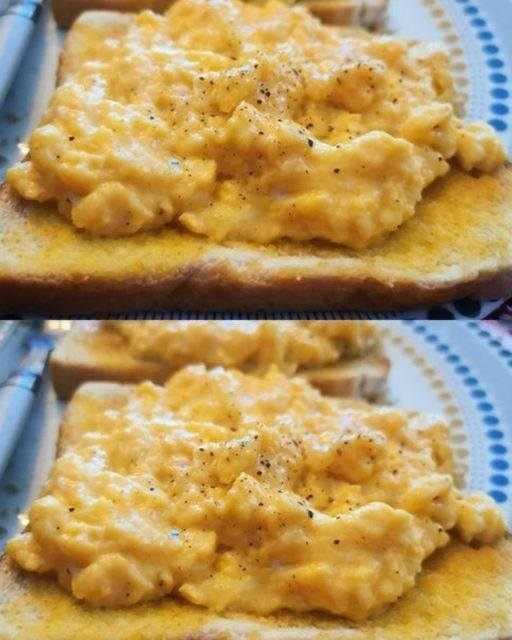
Timing is crucial when it comes to scrambled eggs. As soon as the eggs are mostly set but still slightly creamy and shiny (think soft curds that are barely holding together), take them off the heat. Residual heat will continue to cook the eggs even after they’ve been removed from the pan, so it’s important to stop cooking just before they’re fully done.
7. Season at the Right Time
Seasoning is the final step in the scrambled eggs process. Add salt and pepper to taste, but don’t season too early in the cooking process. Adding salt too soon can draw moisture out of the eggs and lead to a watery, less fluffy texture. Seasoning them just before serving ensures a great flavor without compromising texture.
8. Serve Immediately
Scrambled eggs are best enjoyed right after cooking while they’re still warm and creamy. They can lose their delicate texture if left to sit too long, so be sure to serve them immediately for the most luxurious experience. Pair them with a slice of toast, fresh avocado, or your favorite breakfast sides for a well-rounded meal.
Conclusion: The Perfect Scrambled Eggs Are Within Reach!
With these simple tips, you’ll be well on your way to making scrambled eggs that are fluffy, creamy, and utterly delicious every time. By using the right ingredients, controlling the heat, and avoiding overcooking, you can achieve eggs that are light and tender with a texture that’s second to none. Whether you’re cooking a quick breakfast or serving them as part of a larger meal, perfect scrambled eggs are a culinary skill worth mastering. So, grab your eggs, whisk away, and enjoy the creamy goodness of scrambled eggs—perfectly made every time!
ADVERTISEMENT
