
ADVERTISEMENT
Step 1: Choose Your Leavening Agent
Decide on the type of leavening agent you want to use based on your recipe and the flavor profile you desire. If you want a classic loaf, opt for yeast; for a quick bread, use baking powder or soda.
Step 2: Prepare Your Dough
Step 3: Kneading
Kneading helps to develop gluten in the dough, creating a structure that traps the gases produced during leavening. Knead your dough for about 8-10 minutes until it becomes smooth and elastic.
Step 4: First Rise
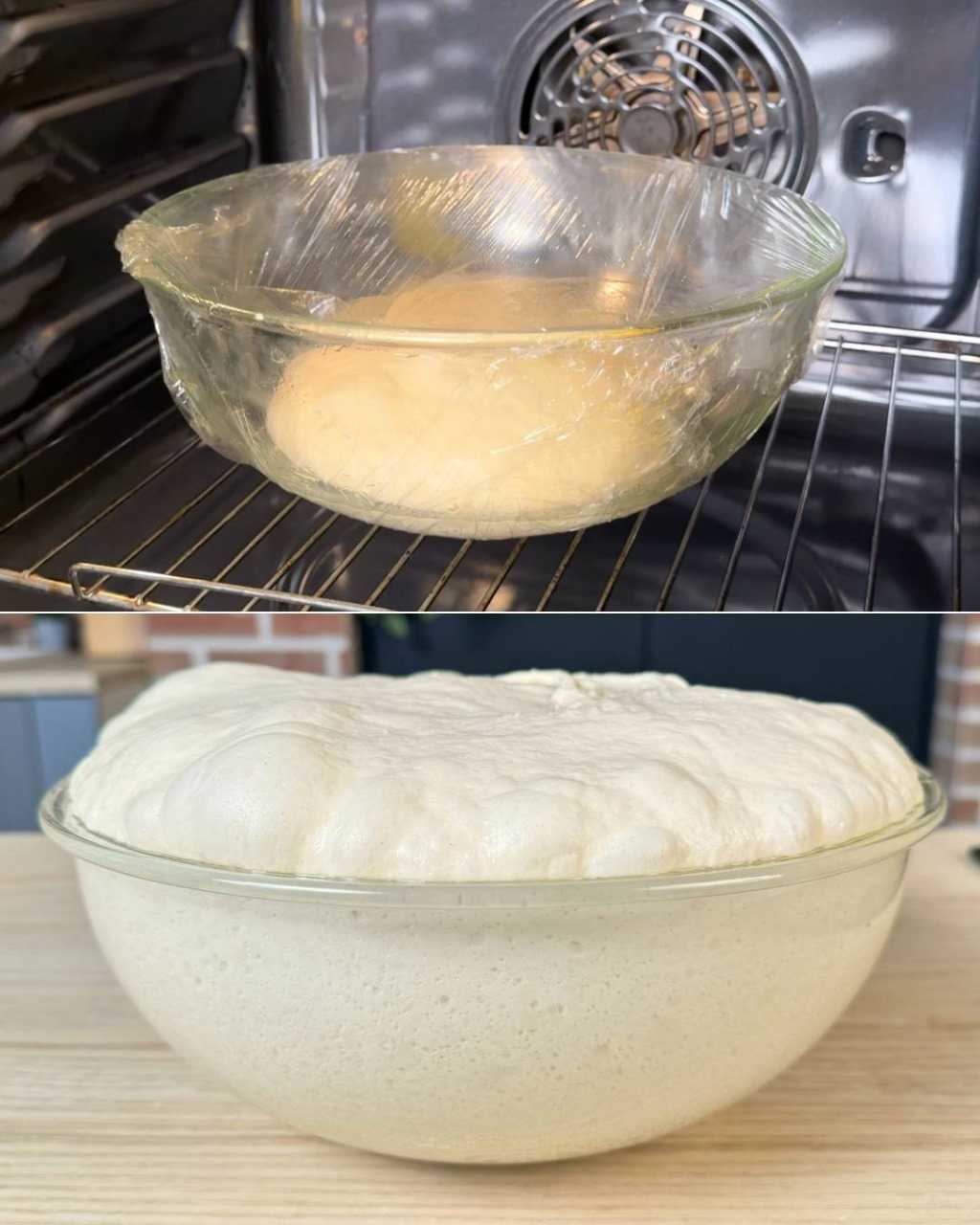
Place your kneaded dough in a lightly greased bowl, cover it with a clean kitchen towel or plastic wrap, and let it rise in a warm place until it doubles in size. This can take anywhere from 1 to 2 hours, depending on the type of yeast and the temperature of your kitchen.
Step 5: Shaping and Second Rise
Step 6: Baking
Preheat your oven according to your recipe’s instructions. Bake your bread until it is golden brown and sounds hollow when tapped on the bottom. Let it cool on a wire rack before slicing to allow the crumb to set.
Tips for Success
- Temperature Matters: Yeast thrives in warm environments (around 75°F to 115°F). Too hot or too cold can hinder its activity.
- Hydration: Ensure you’re using the right amount of water, as dough that is too dry or too wet can affect the leavening process.
- Timing: Patience is key! Allowing sufficient time for the dough to rise leads to better flavor and texture.
Conclusion
Mastering the art of leavening bread at home opens up a world of delicious possibilities. Whether you’re using traditional yeast, baking powder, or a sourdough starter, understanding how to leaven correctly will ensure your bread comes out perfect every time. So roll up your sleeves, gather your ingredients, and let the magic of leavening transform your baking experience!
ADVERTISEMENT
